Ten Years, Real Progress
What a decade of work is doing for the Cannon River Watershed
Picture this: you’re driving along one of your favorite lakes and notice a green film building up on the shoreline. That’s probably algae, and it loves nothing more than warm, shallow, nutrient-rich water. It’s basically throwing a party every time we send it more phosphorus.
Or picture this instead: you’re on a walk along the river near your home, and the water looks murky, more chocolate milk than glass. That’s likely sediment, washed in after a big rain event.
Neither experience is unusual in the Land of 10,000 Lakes. So what do they actually mean for water quality, and for all the life (human and non-human) that depend on it? Let’s dig in.
What the impaired waters list actually is
You may have seen that the Minnesota Pollution Control Agency (MPCA) released the 2026 draft impaired waters list, which identifies lakes, rivers, streams, and wetlands across the state that don’t currently meet water quality standards. Every two years, as required by the federal Clean Water Act, the MPCA has to compile this list and send it to the EPA. It’s essentially the state’s report card on its waters, and like any report card, it comes with both the classes you aced and the ones you still need to retake.
This year’s statewide results: the MPCA is proposing to remove impairments from 45 bodies of water, the most delistings in a two-year cycle since the program began in 1992. At the same time, it’s proposing to add 46 new impairments. The delistings are genuinely encouraging. The additions are a reminder that this work is never really finished.
Progress close to home
The Cannon River watershed was one of the areas reviewed this cycle, and there’s real reason for optimism. Ten sites along Prairie Creek, as well as parts of the Cannon and Straight Rivers, are proposed for delisting. The updated report shows stronger fish and insect communities, the kind of biology that only shows up when water quality actually improves. Long-term monitoring backs that up, with declines in pollutants like phosphorus, sediment, and nitrate.
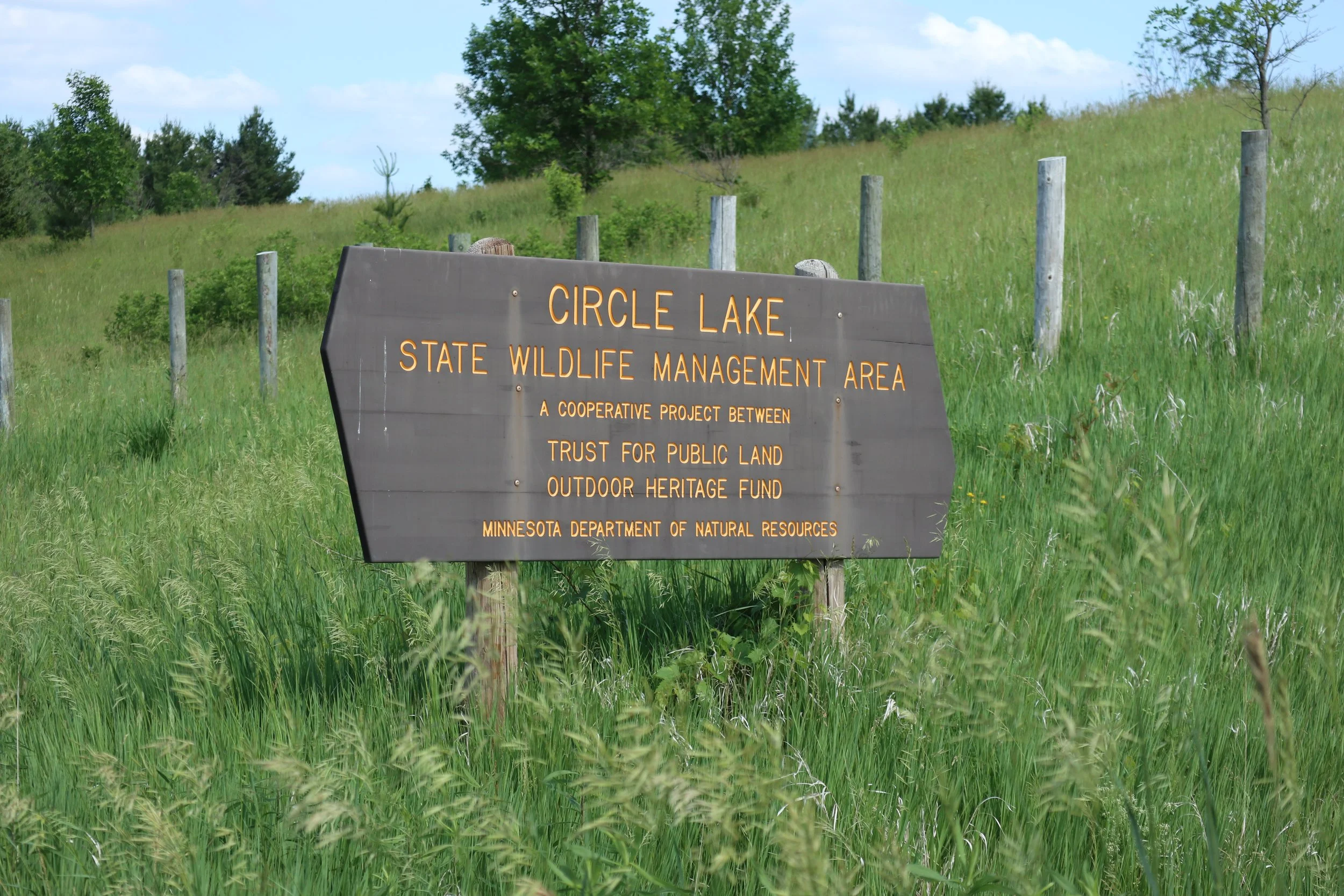
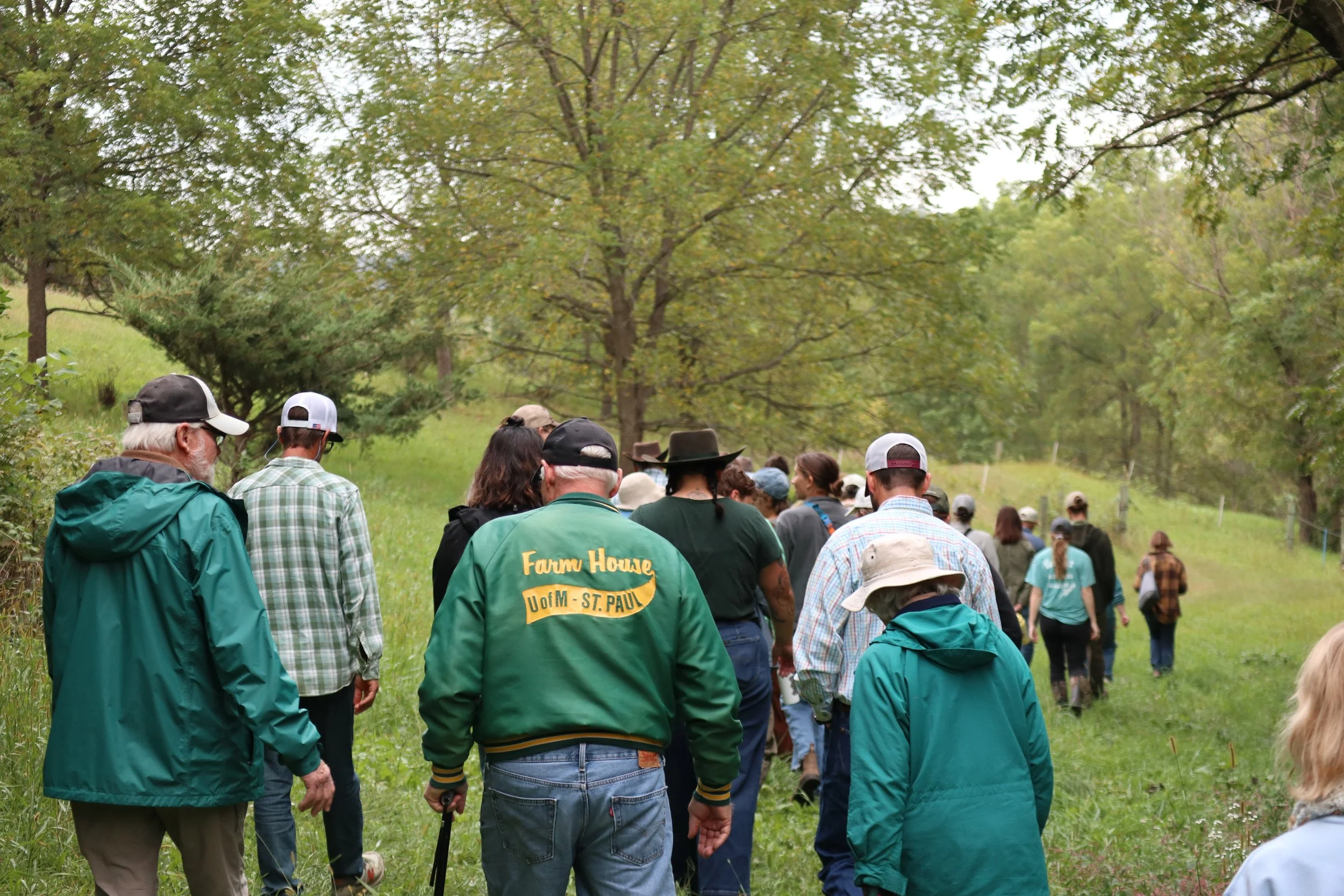
None of that happens by accident. Farmers across the watershed are adopting cover crops and nutrient management practices. Habitat restoration projects are rebuilding the kind of natural infrastructure that filters and slows water before it ever reaches a stream. It’s slow, unglamorous work, and it’s paying off.
The work that’s still ahead
Statewide, nearly 200 impairments persist, and more than 20 new ones were identified this cycle, mostly because monitoring has gotten better, not necessarily because water got worse. Nutrients, sediment, and bacteria from agricultural and urban sources remain the big challenges. But the pattern in this report is clear: coordinated, watershed-scale effort works, and it gives us a strong foundation to keep building on.
The rivers, lakes, and streams we love are a shared resource, which also makes them a shared responsibility. Clean River Partners will keep working alongside partners and communities throughout the watershed, but we’re just one piece of the puzzle that covers nearly 1,500 square miles. We can’t do it alone, and we don’t want to.
How you can help right now
The MPCA has an open public comment period through July 29 on the draft Cannon River Watershed Restoration and Protection Strategy (WRAPS) report. A WRAPS report is done over a 10-year cycle and pulls together existing data, monitoring results, and other information to build strategies for restoring polluted waters and protecting the healthy ones. This is a direct, meaningful way to have your voice heard in how our watershed gets managed.
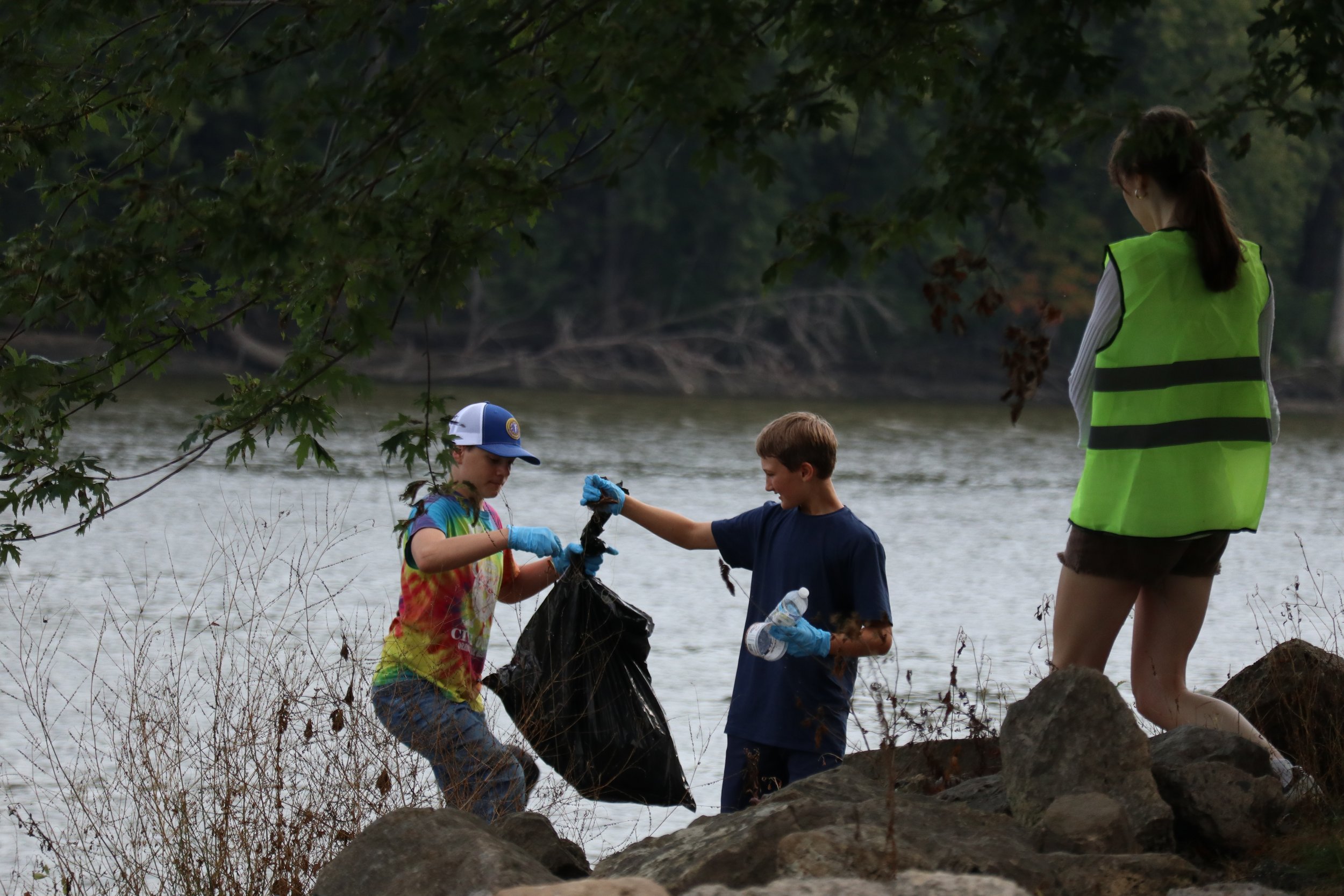
And if a technical comment process isn’t your thing, that’s okay too. Support organizations already doing this work: volunteer, donate, or just show up. Every cover crop planted, every buffer strip restored, every acre of habitat protected adds up. Will you join us?