
Our Stories
Everyone has a role to play in caring for the watershed, and we invite you to read our stories, get inspired by our champions, and help us connect with others who are passionate about clean water.
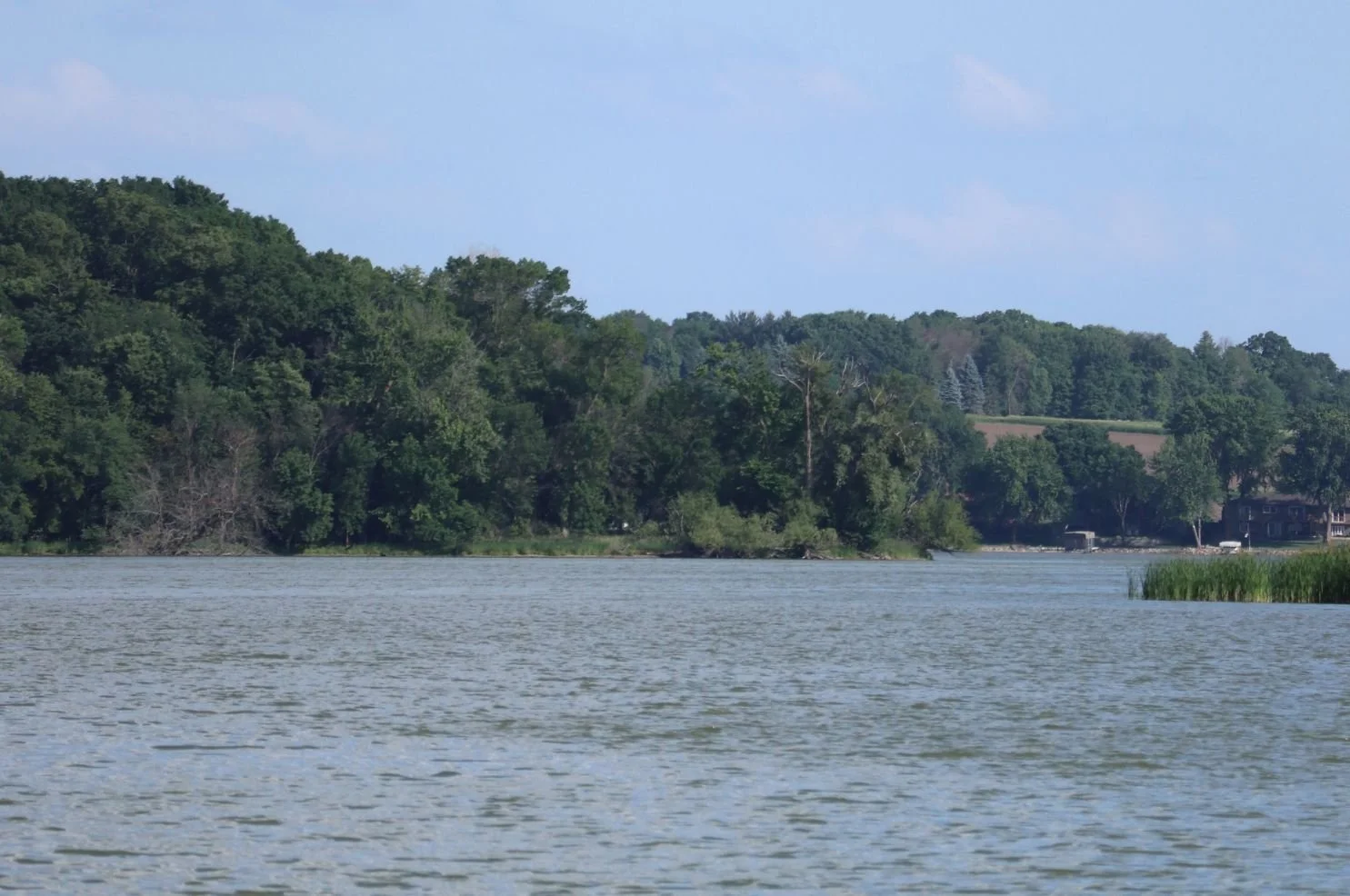
The Many Lives of Circle Lake Island
Nestled quietly in the waters of Rice County, Minnesota, Circle Lake Island carries a rich and diverse history, from 19th-century military warrant land grants to Roaring Twenties resort ambitions, and finally permanent protection as a Wildlife Management Area.
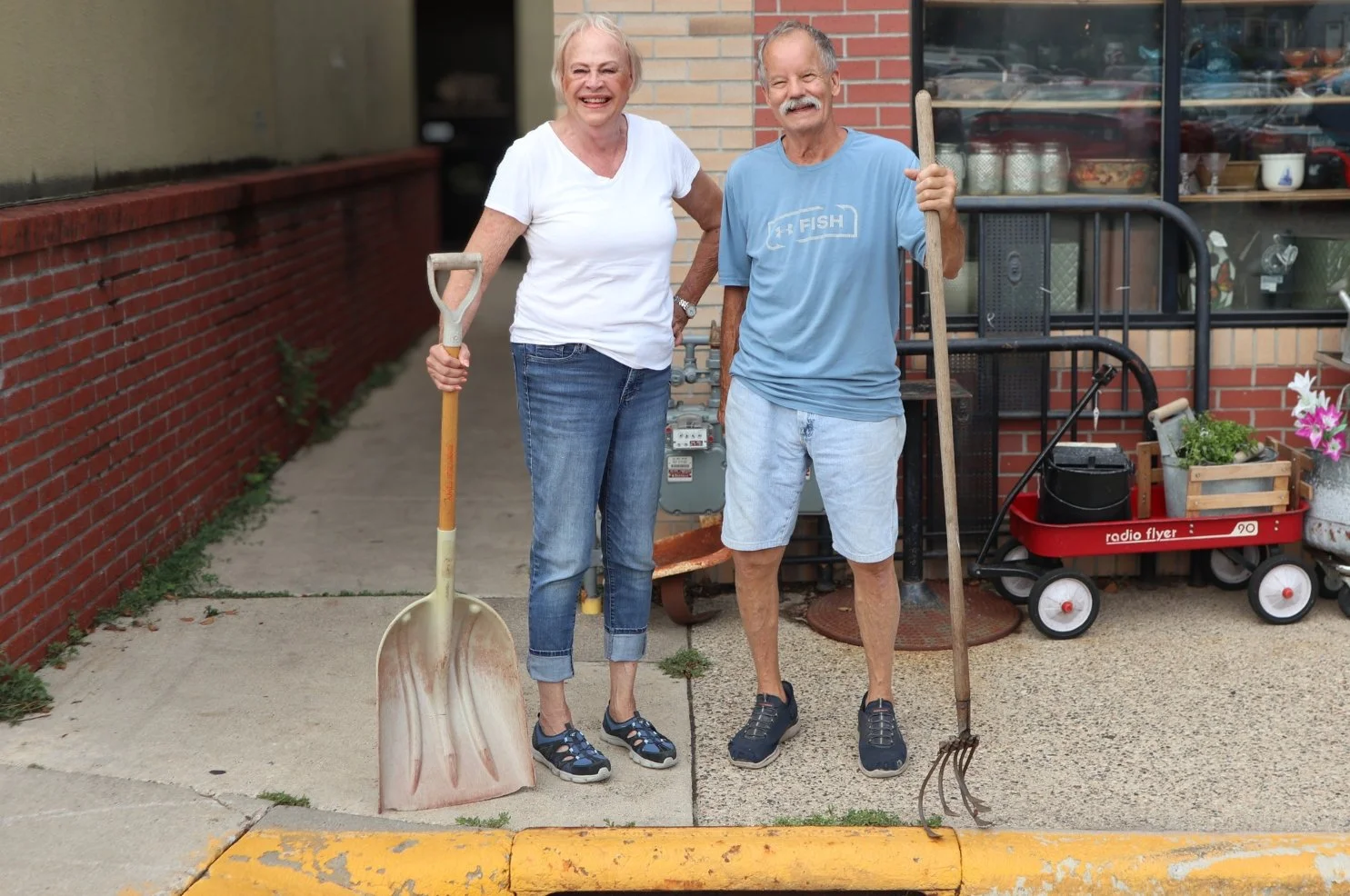
If We All Pitch In, It’s A Very Small Job
What does volunteering mean to you? For Jean Wakely, a Northfield resident and Rotary Club member, it means helping keep her neighborhood clean by maintaining the catch basins that she has adopted through Northfield’s Adopt A Catch Basin program.
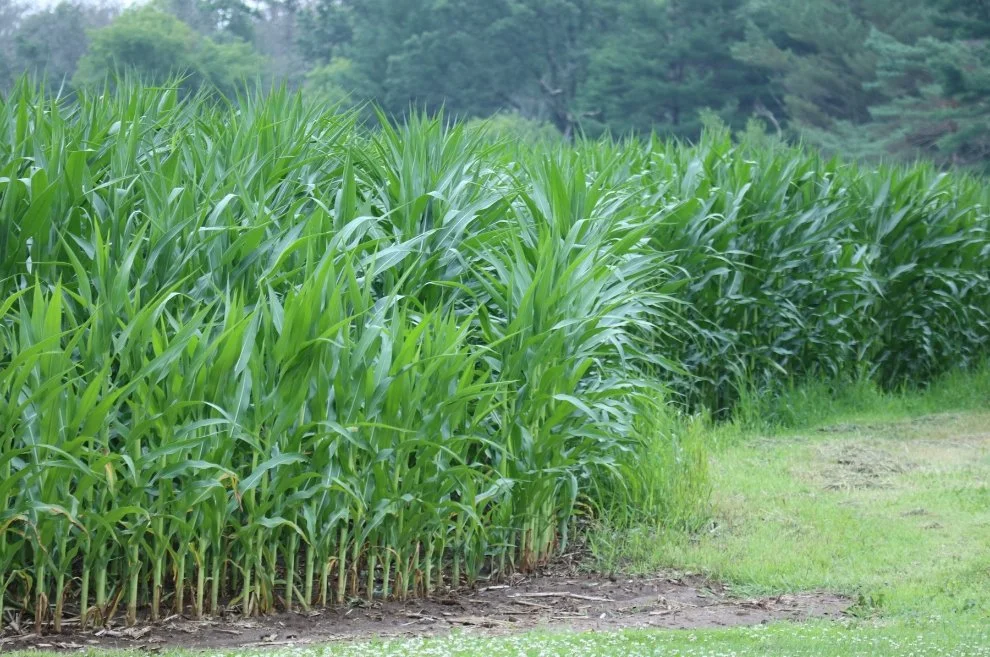
Neonics and the Cannon River Watershed: What You Should Know
Last month, the Minnesota Department of Agriculture (MDA) opened a comment period on the use of neonicotinoid (nee-oh-nik-oh-TEE-noyd) treated seeds. We spent some time with a board member drafting a comment of our own. Along the way, we learned a lot about what’s ending up in our watershed, and wanted to share it with you.
Ten Years, Real Progress
You may have seen that the Minnesota Pollution Control Agency (MPCA) released the 2026 draft impaired waters list, which identifies lakes, rivers, streams, and wetlands across the state that don’t currently meet water quality standards. Let’s dig in.
It’s Called Food Sovereignty
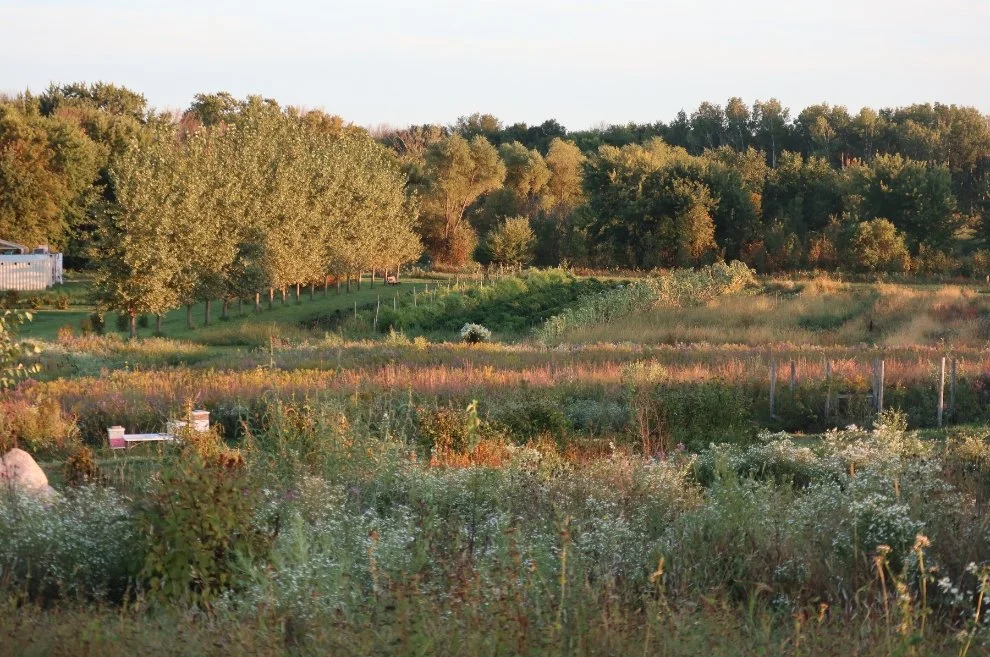
When I step into my garden, time slows down. The green surrounding me, the birdsong, and an afternoon breeze — all of it recalibrates my nervous system in ways I never anticipated when I first planted seeds here. I thought growing my own food was the point. And it is, partly. But the peace I found in the garden was something I hadn't known I was looking for. Now I find myself wondering what my life might have looked like if I'd had access to these resources sooner.
An Island Just for the Birds. And You.
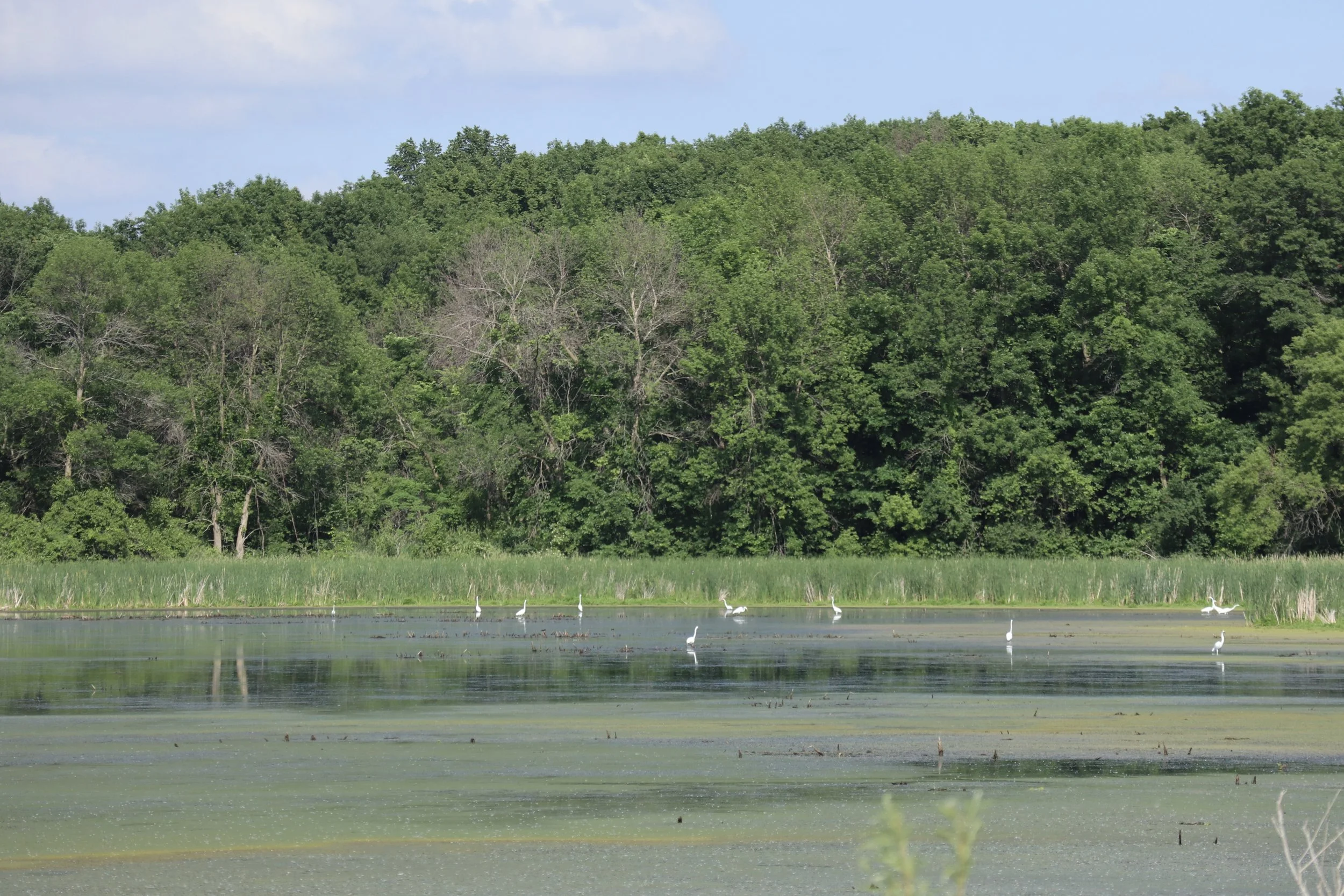
Trust for Public Land recently announced that a 103-acre island at the center of Circle Lake, near Faribault, has been permanently protected. It’s now part of the existing Circle Lake WMA. And it more than doubles the area’s size. The catch? This new piece of public land is only reachable by boat. But for paddlers (and for the birds), that’s not a drawback. That’s the dream.
Zebra mussels in the watershed
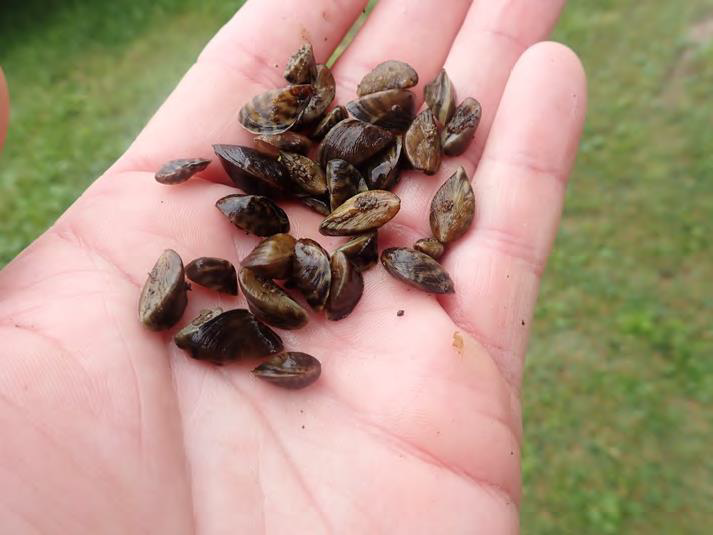
The news broke on September 19, 2025: a survey confirmed that zebra mussels had officially appeared in the east end of the lake. And, just one month later, they were found in several new locations, proving they are spreading rapidly.
Northfield neighbors band together to restore local land
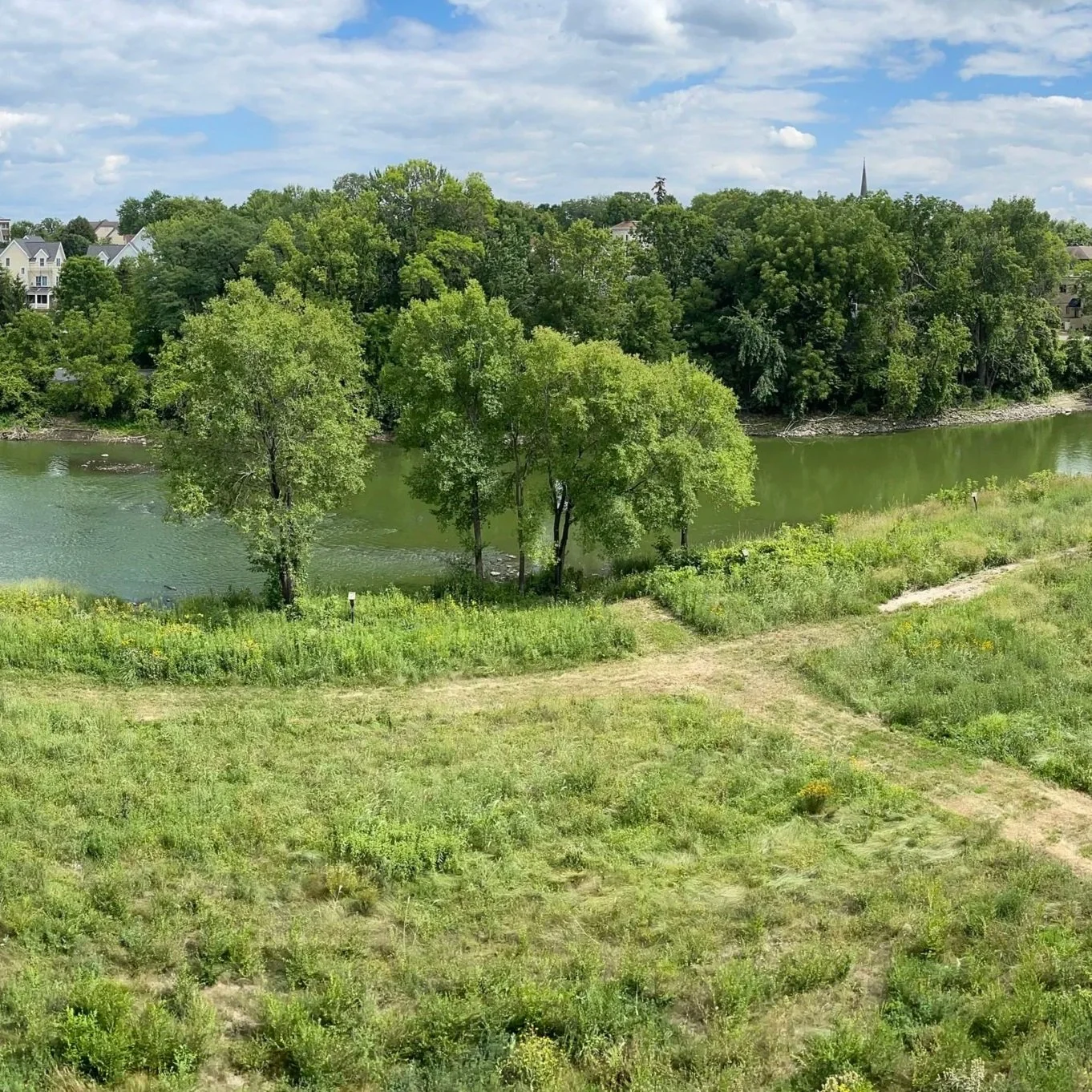
Interested in using more native plants in your garden, but not sure where to start? Residents of The Crossing condominium complex in Northfield found themselves in a similar situation about ten years ago.

Biochar is Only Part of the Story
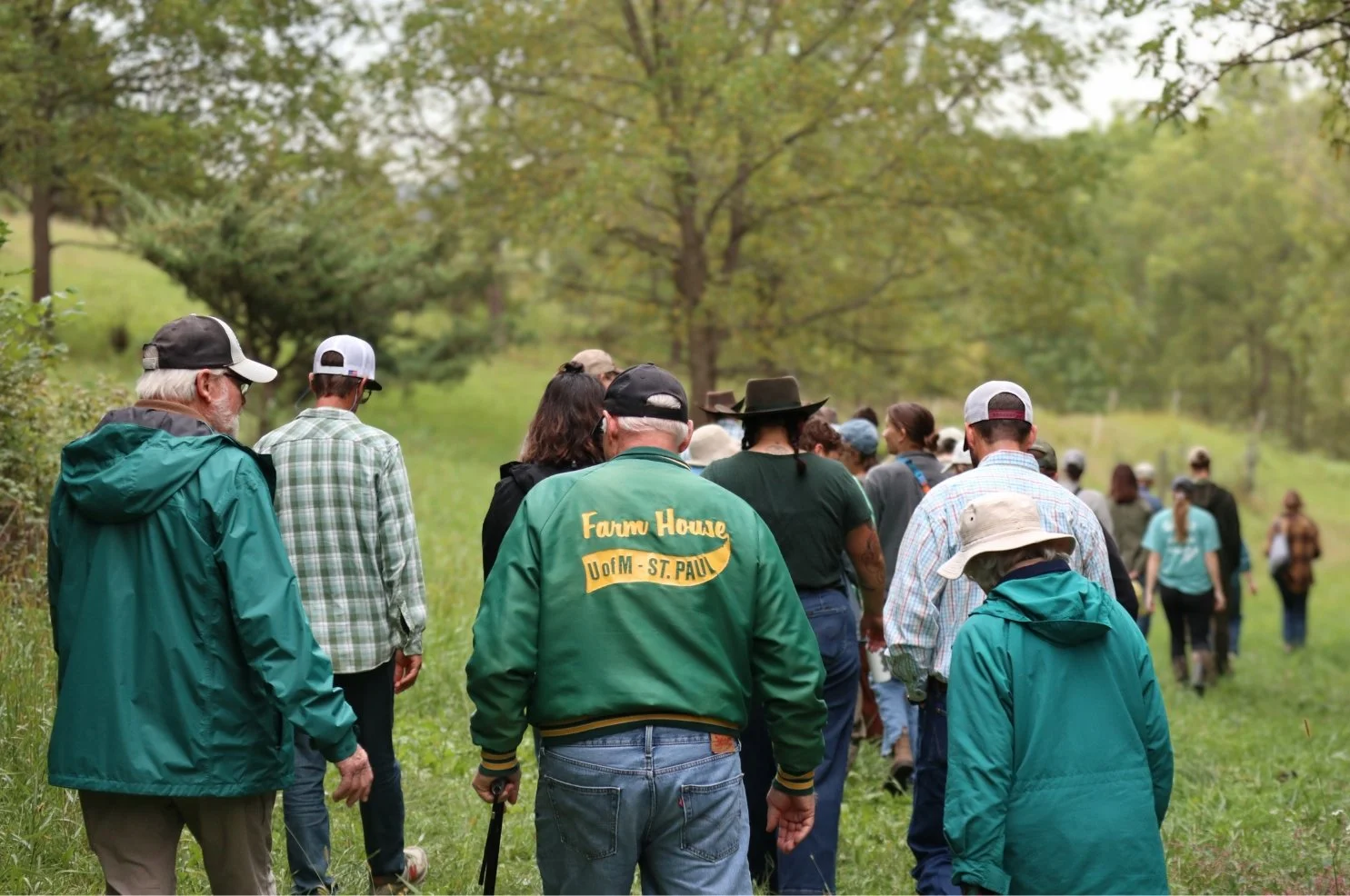
Across the Cannon River watershed, people and organizations are coming together to care for the land in ways that are both practical and deeply rooted in history. A recent restoration event at Sharing Our Roots Farm in Northfield showed what that can look like in practice.
It's All Connected
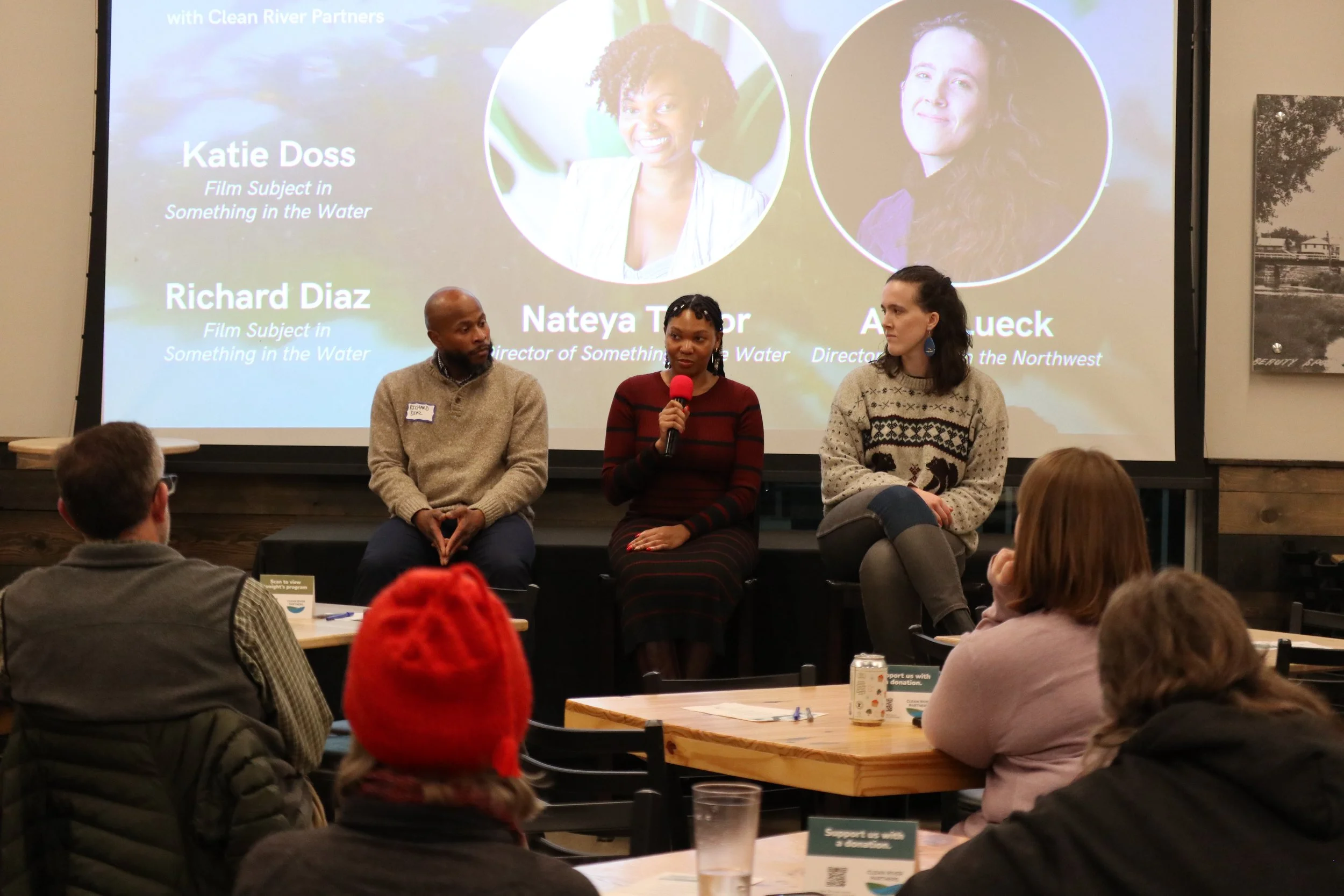
The Downstream Environmental Film Festival began in 2017, its name rooted in the idea that environmental issues are deeply connected along waterways. What happens upstream shapes life downstream.
What are you willing to do for this place?
For years, those of us in conservation have tried to change what happens on the land. Because what happens on the land shows up in the water. But what if we’ve been approaching this the wrong way?
Reconnecting a River: Opening the Way for Fish and Wildlife
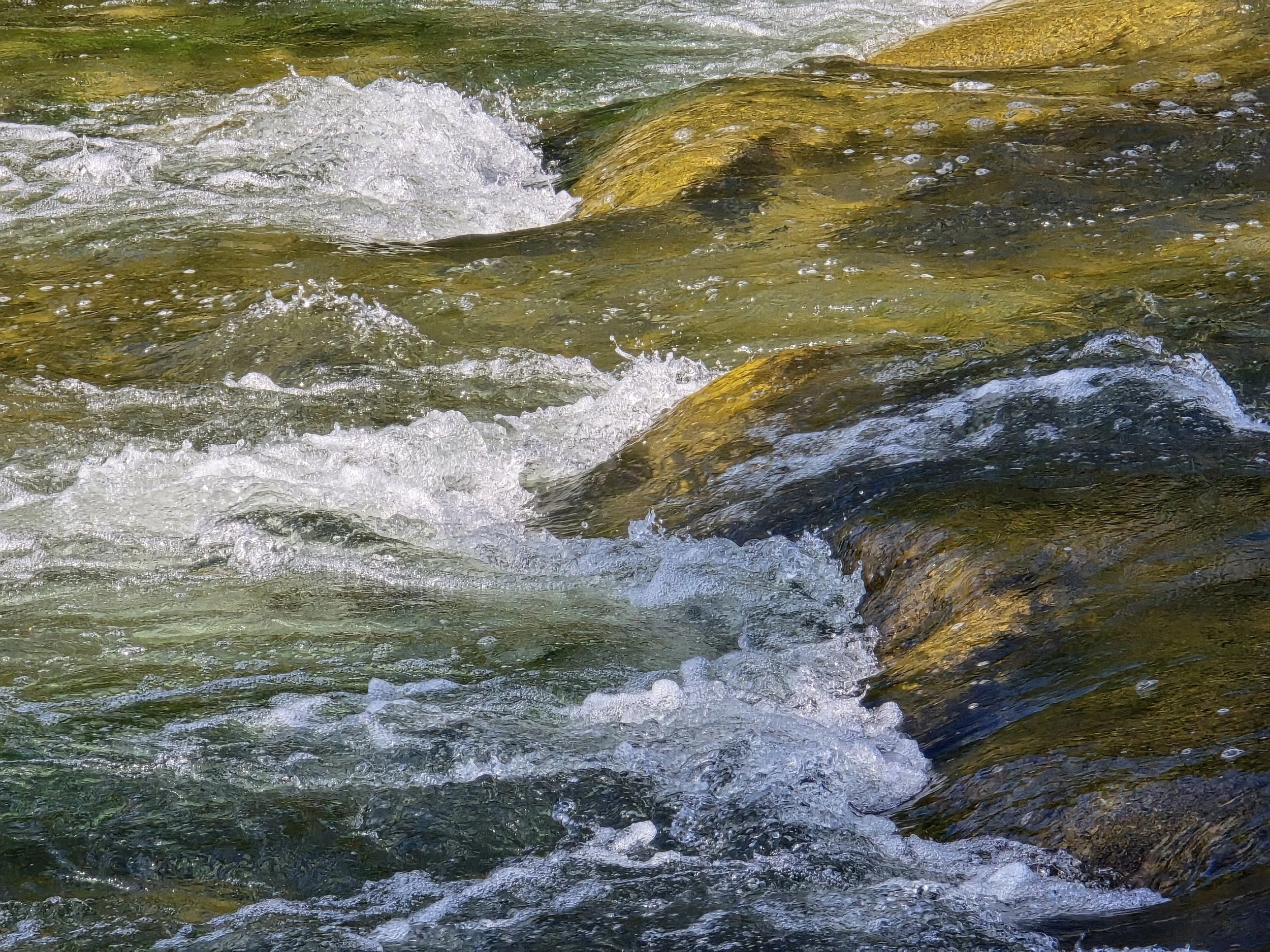
Fish passage is a simple idea. Fish need to move up and down a river to survive. Many species travel upstream to lay eggs in specific habitats with the right water depth, temperature, and gravel. When a dam blocks that path, fish cannot reach those spawning areas. Over time, populations shrink, diversity declines, and the river ecosystem weakens.