The 4 S’s of Smart Salting
Road salt is present everywhere during the winter months. When used in moderation, it’s a helpful resource that makes roads and sidewalks safer for driving and walking. However, it can be very damaging to our environment.
In large quantities, it poses a threat to fish, wildlife, and human health. Fish and bugs that live in freshwater streams cannot survive in water with too much salt. Millions of Americans rely on local streams for drinking water. Water treatment plants are not designed to remove the extra salt, so it can end up in your tap water and even cause pipes to corrode.
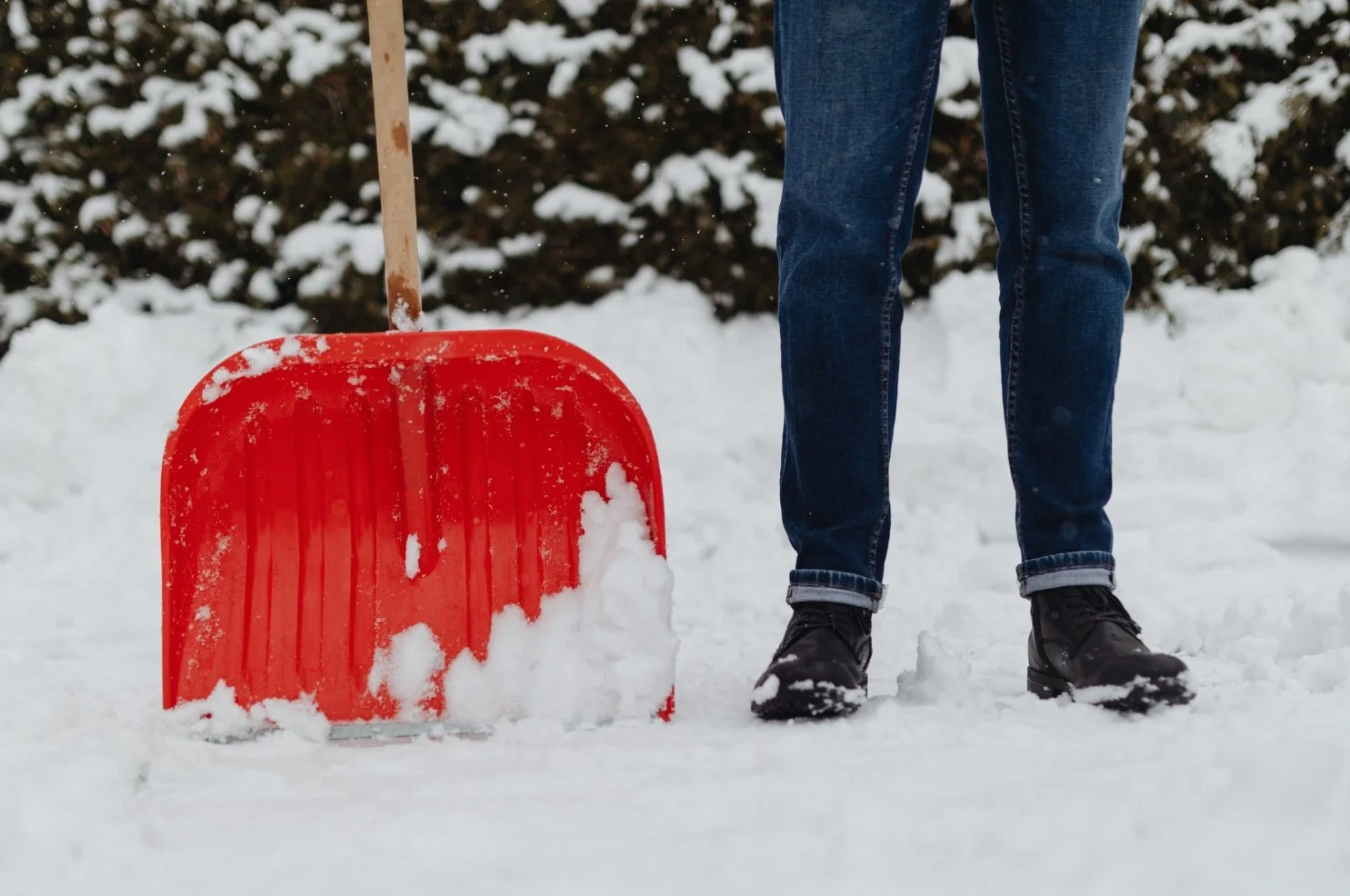
So what is the solution? A starting point is to follow the 4 S’s of Smart Salting: shovel, scatter, sweep, and switch!
When a storm is forecasted, prepare to shovel! Clearing snow from sidewalks and driveways before it turns to ice is an effective way to decrease the amount of salt you need to use. It’s also a really great way to get some fresh air and exercise.
When you do use salt, scatter it so there is space between the grains. A coffee mug of salt is enough to treat an entire 20-foot driveway.
Once the salt has done its job, sweep up the extra so you can reuse it for later storms and prevent it from washing away. This will save you some money and protect your walkways and driveway from disintegration.
Lastly, when pavement temperatures are lower than 15 degrees, switch to sand or use a different deicer that works effectively at low temperatures.
By adopting these smart salting practices, we can protect our freshwater ecosystems while ensuring safe winter travel. Let’s commit to a balanced approach this year–keeping our roads safe without compromising our vital water resources. Together, we can make a real difference.