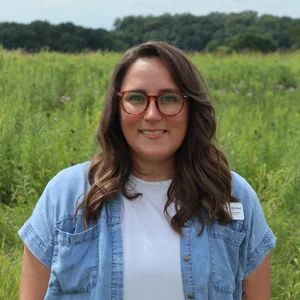
When I step into my garden, time slows down. The green surrounding me, the birdsong, and an afternoon breeze — all of it recalibrates my nervous system in ways I never anticipated when I first planted seeds here. I thought growing my own food was the point. And it is, partly. But the peace I found in the garden was something I hadn't known I was looking for. Now I find myself wondering what my life might have looked like if I'd had access to these resources sooner.
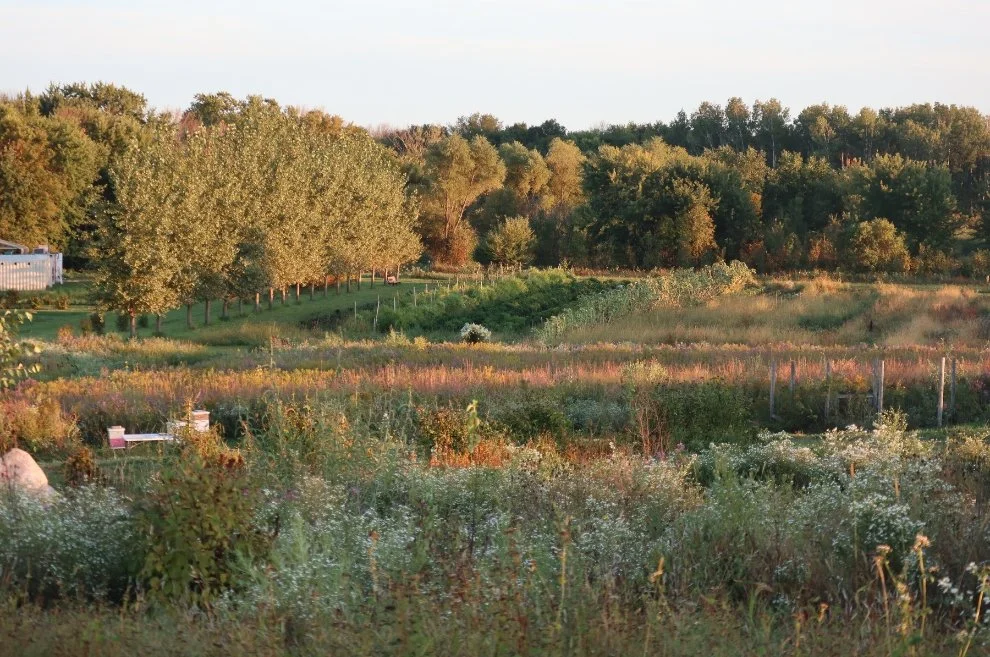
Garden space at Sharing Our Roots Farm in Northfield, Minnesota.
In Minnesota, the question of who gets to grow food is tangled up in the question of who owns or has access to land. Of the state's 51 million acres, half is farmland, yet the vast majority of that land grows crops humans never eat: fuel and livestock feed. Another quarter is publicly managed for recreation and conservation. What remains is increasingly out of reach. Land prices have climbed so steeply over the last decade that purchasing even a small plot has become nearly impossible for most families.
Although land access is a big piece of the puzzle, it is only part of the problem. Even gardeners with a community plot quickly discover that a patch of ground is just the beginning. Other barriers might include water infrastructure, supplies, soil health, pest management, and knowledge of what to plant and when. Growing food takes resources, community, and time to learn.
There's another dimension to this that's easy to overlook: the foods people grow carry meaning far beyond nutrition. Minnesota is home to residents from all walks of life, and for many diverse communities, the ability to grow familiar foods isn't just a preference. It is a vital connection to culture, family, and identity—a concept known as food sovereignty.
Sharing Our Roots is an organization that understands this. Based in southern Minnesota, they run a Community Connectors program that supports neighborhood gardens across Northfield and Faribault, helping families grow food that is both nutritious and culturally meaningful. Last year, their gardeners produced 30,000 pounds of produce and shared a third of it beyond their own households. That kind of abundance, built from community and care, is life-changing.
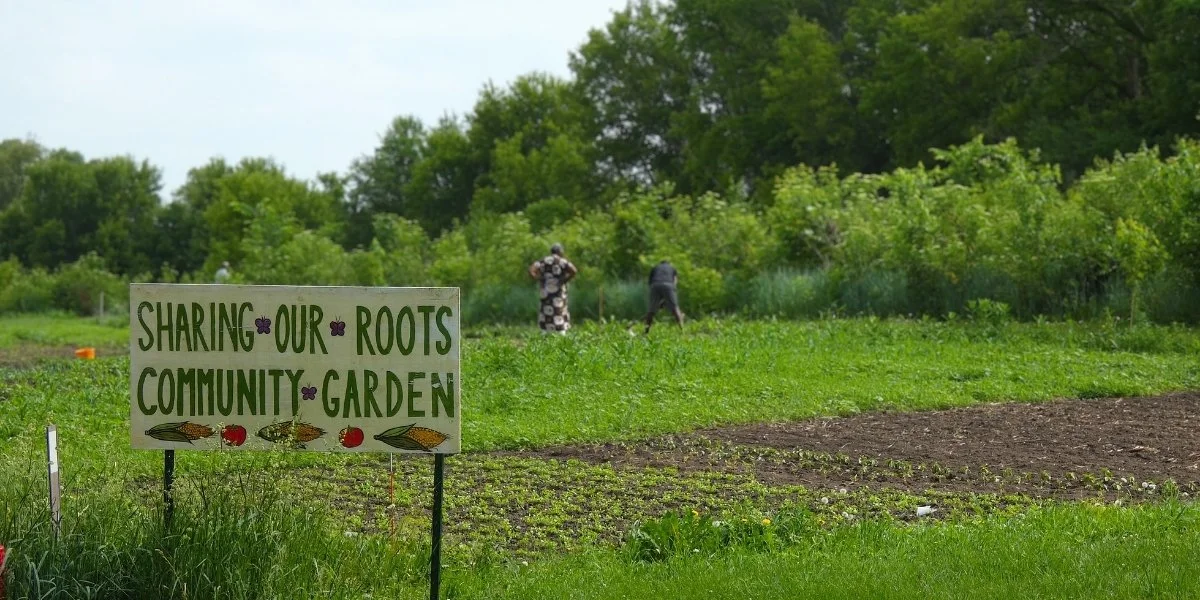
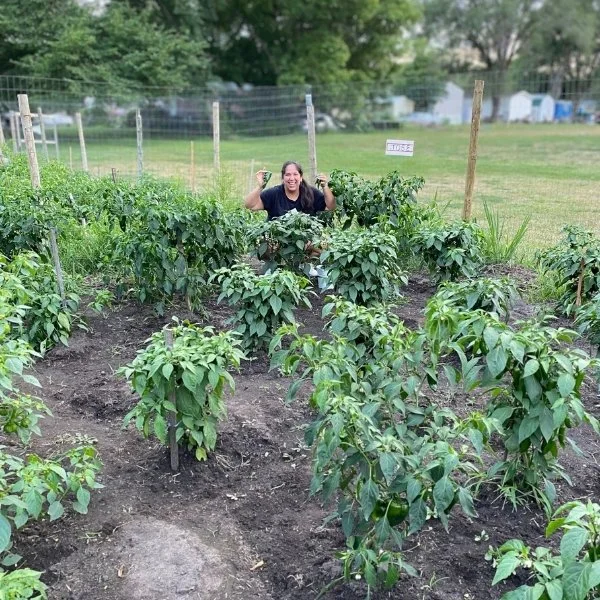
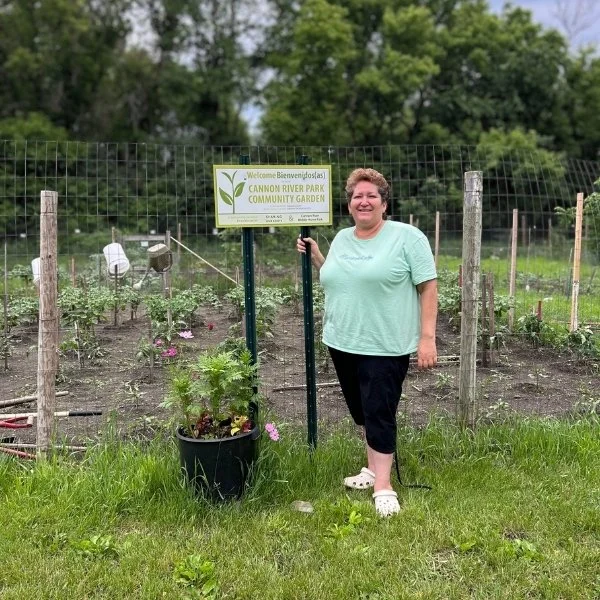
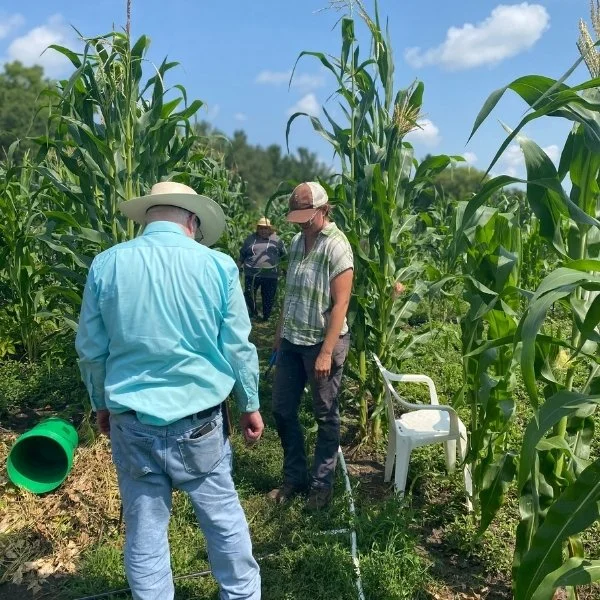
For Clean River Partners, partnering with organizations like Sharing Our Roots offers us something invaluable: a clearer picture of what families in the Cannon River Watershed actually need, and where we can be useful. Land access is not a new problem. But it is one that we’re committed to understanding and improving.
When I'm in my garden now, I think about that. About how one acre has changed the way I move in the world, and what it might mean for others to have the same. What would it look like if more people had access to land, to knowledge, to the support it takes to grow food for their families? I don't think that's an impossible question. I think it's one worth working toward.