

Our Stories
Everyone has a role to play in caring for the watershed, and we invite you to read our stories, get inspired by our champions, and help us connect with others who are passionate about this vital cause.
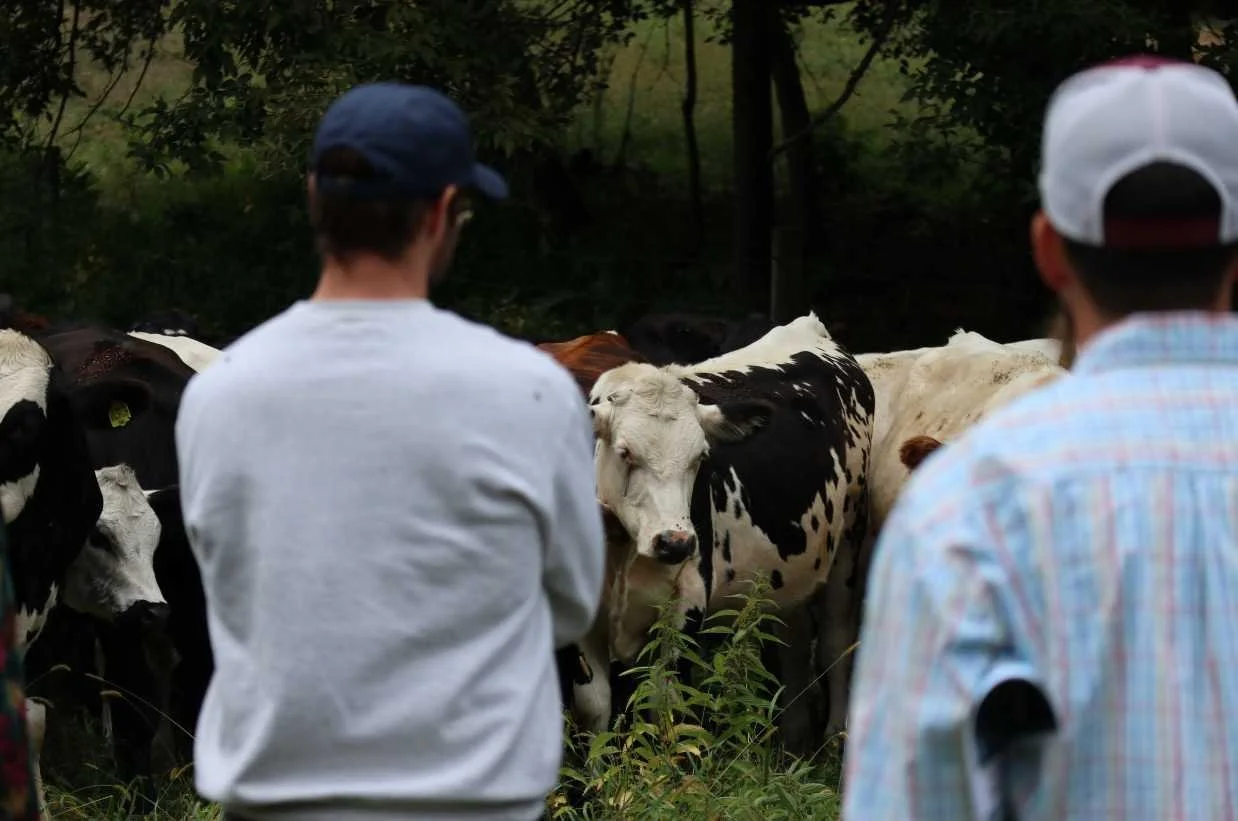
New Project Spotlight: Growing Together
We are pleased to announce the launch of a new project in collaboration with the University of Minnesota Extension’s Southeast Regional Sustainable Development Partnerships, addressing one of southeast Minnesota’s most pressing challenges: nitrate contamination of groundwater.
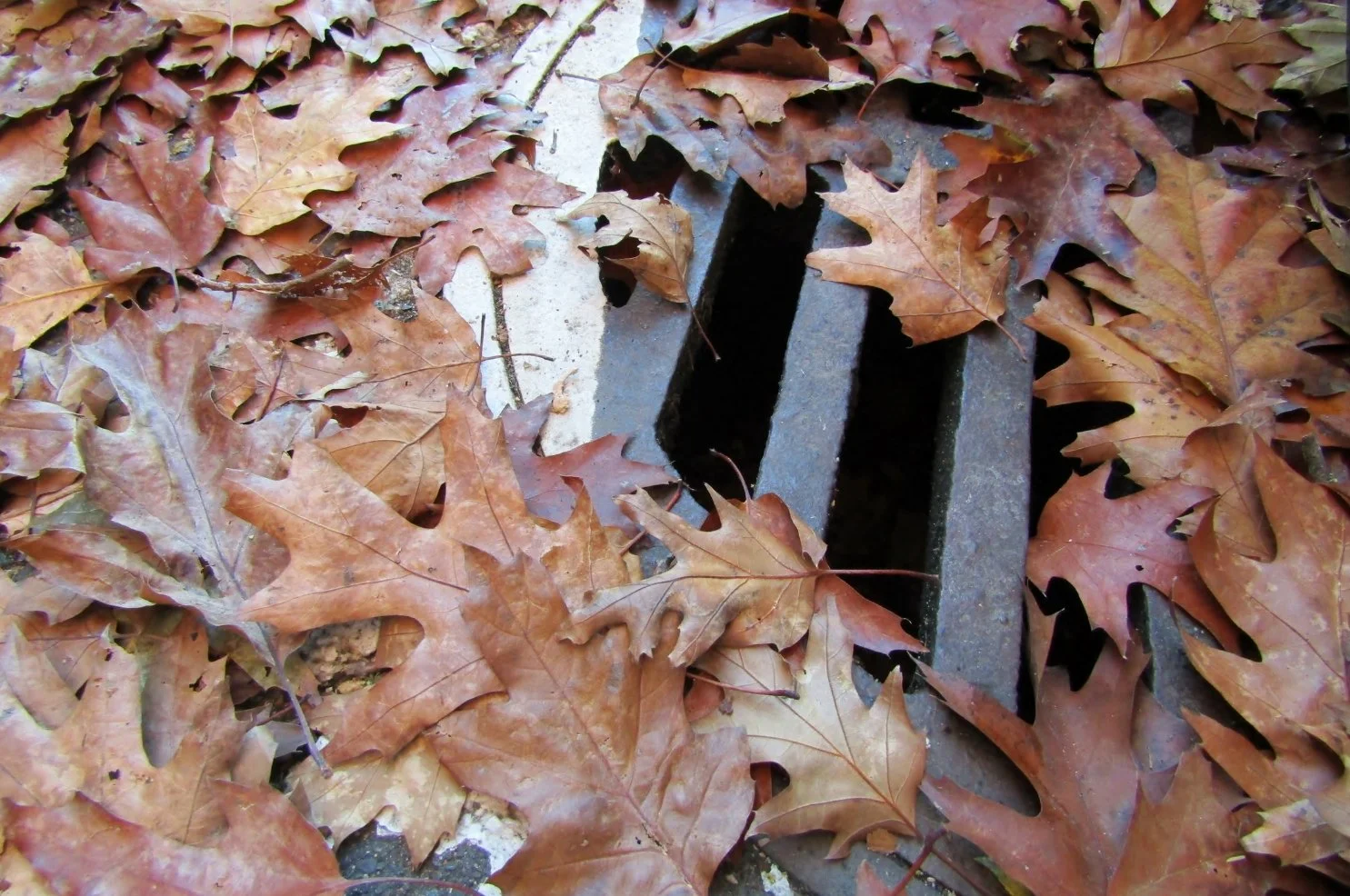
To Leave or Not to Leave
Fall is quickly approaching, leaves are turning the beautiful colors we love to drive around and look at, and the age-old debate arises about whether or not we should clean up the leaves in our yard. You’ve heard it, I’ve heard it — we’ve all probably participated in the conversation — so we want to dive into this conundrum to determine if or when it’s better to leave the leaves.

Clean River Partners to host 17th annual Cannon River Watershed Cleanup
Trash that finds its way to a river affects so much more than just the water. It impacts entire ecosystems, as both humans and wildlife depend on it for survival. Having a clean watershed is essential for our community to thrive. Clean River Partners emphasizes this in the work they do, and every year they host the Cannon River Watershed Cleanup. There are many different sites with cleanups to target the entirety of the river.
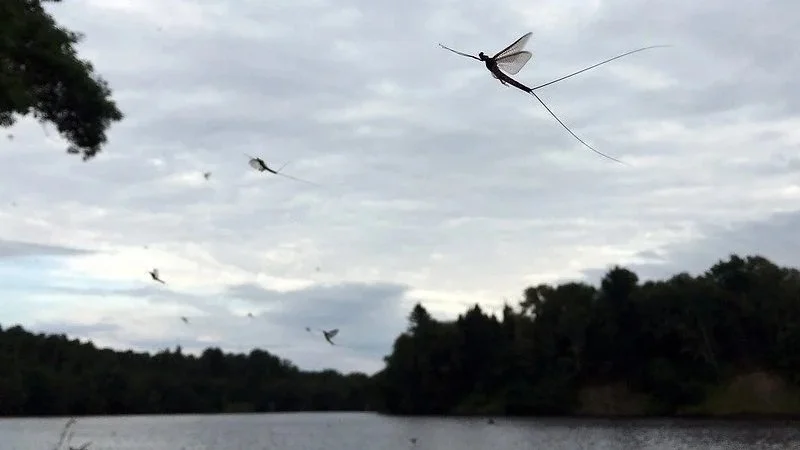
What do mayflies have to do with water quality?
Mayflies. We heard about them a lot this summer. Images and videos of them under streetlights, blanketing cars, and clouding sidewalks went viral on social media. They often get a bad reputation and are called a nuisance “river bug,” but the presence of mayflies along the Cannon and Straight Rivers actually indicates improved water quality.
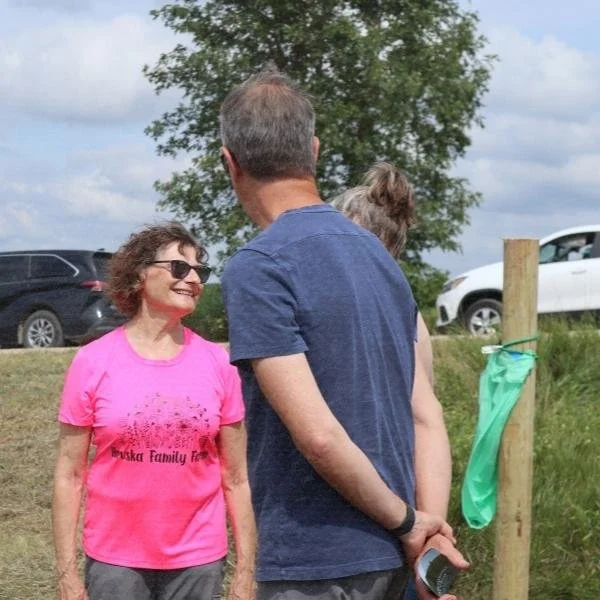
From Century Farm to Conservation Legacy
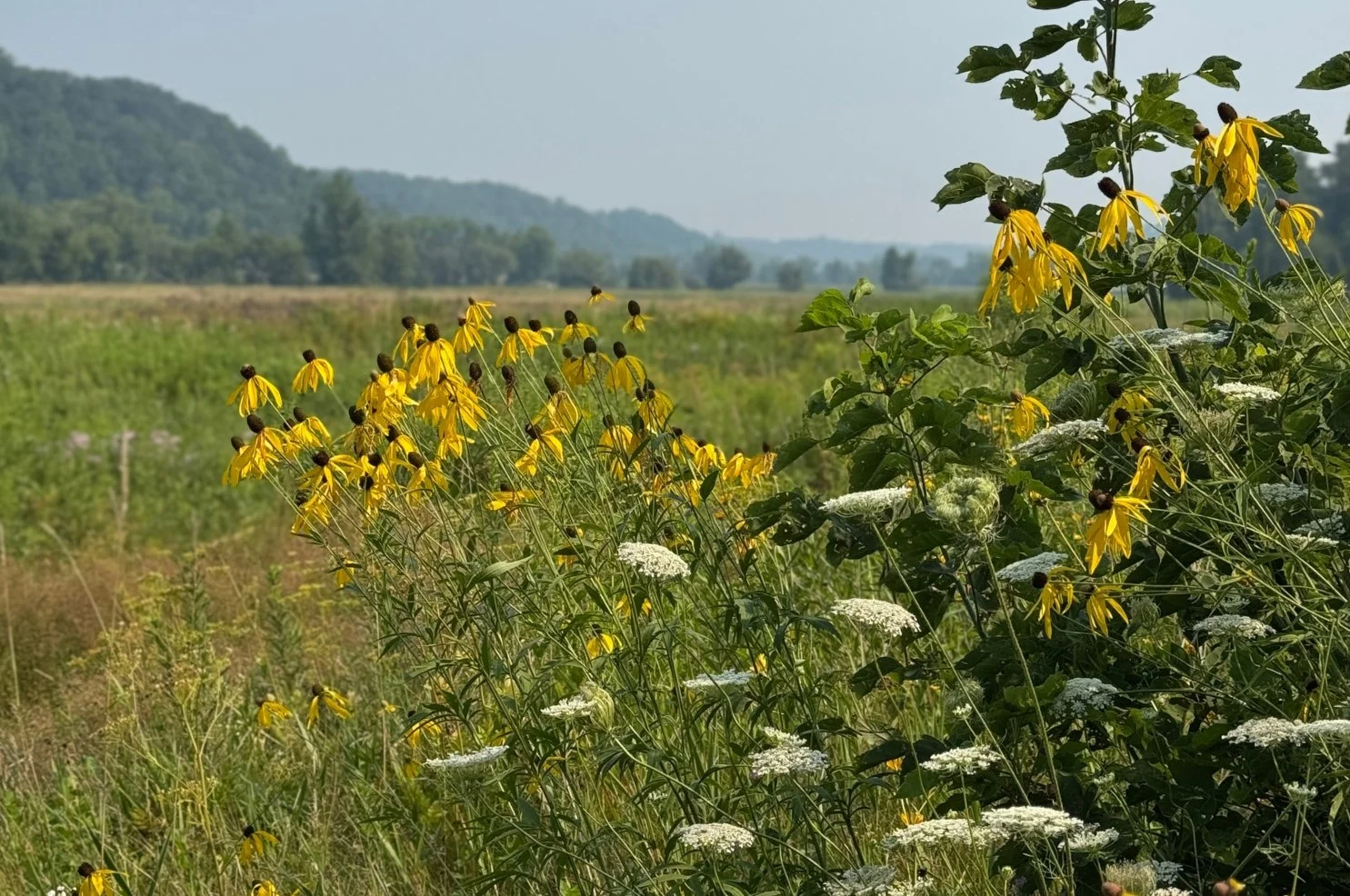
The 152-acre Horseshoe Lake Wildlife Management Area provides cleaner water, richer habitat, and more opportunities for the public to enjoy the outdoors. The Hruskas are excited to return with their children and grandchildren and to share the land with the wider community.

Ditch Single-Use Bottles to Conserve Water Resources
In a world where convenience often outweighs sustainability, it’s time to reevaluate some of our daily choices. One seemingly small but actually significant decision is whether to invest in a reusable water bottle.
Grant From the Red Wing Shoe Foundation Supports Community and Conservation
Clean River Partners (CRP) is grateful to announce ongoing support from the Red Wing Shoe Foundation for hosting community events and conservation initiatives in the City of Red Wing and Goodhue County.

New beginnings: Horseshoe Lake Wildlife Management Area sees ownership change
On Wednesday, Aug. 6, the new Horseshoe Lake Wildlife Management Area was dedicated, a few miles north of Waterville. In addition to the many who played a part in its acquisition and enhancement, it attracted dozens of other interested parties.

Xcel Energy Foundation Advances Environmental Sustainability in Southern Minnesota
Clean River Partners is thrilled to announce that it has received a $5,000 general operating grant from the Xcel Energy Foundation to advance environmental sustainability efforts in southern Minnesota.

Understanding Stormwater Retention Ponds
In our increasingly urbanized world, managing stormwater runoff has become crucial for maintaining the health of our environment and communities. One of the most effective tools in this endeavor is the stormwater retention pond. But what exactly is a stormwater retention pond, and why is it so important?

Hruska sisters turn family land into protected wildlife area
For more than a century, the Hruska family called the rolling prairie, quiet woods, and winding wetlands near Waterville home. Now, the four Hruska sisters have turned that beloved land over to nature and the public.

Advisory task force on the future of Minnesota’s water
Attorney General Keith Ellison has launched a new task force to discuss the stewardship of Minnesota’s water, especially in light of increased demand across the state and the pressures of global climate change.