From Century Farm to Conservation Legacy
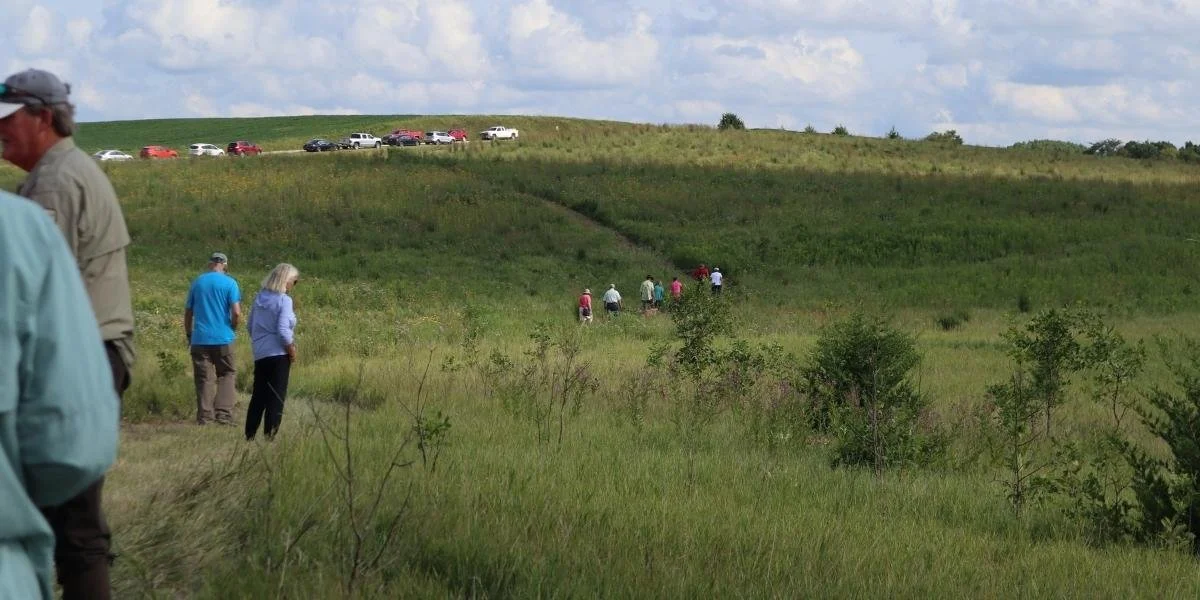
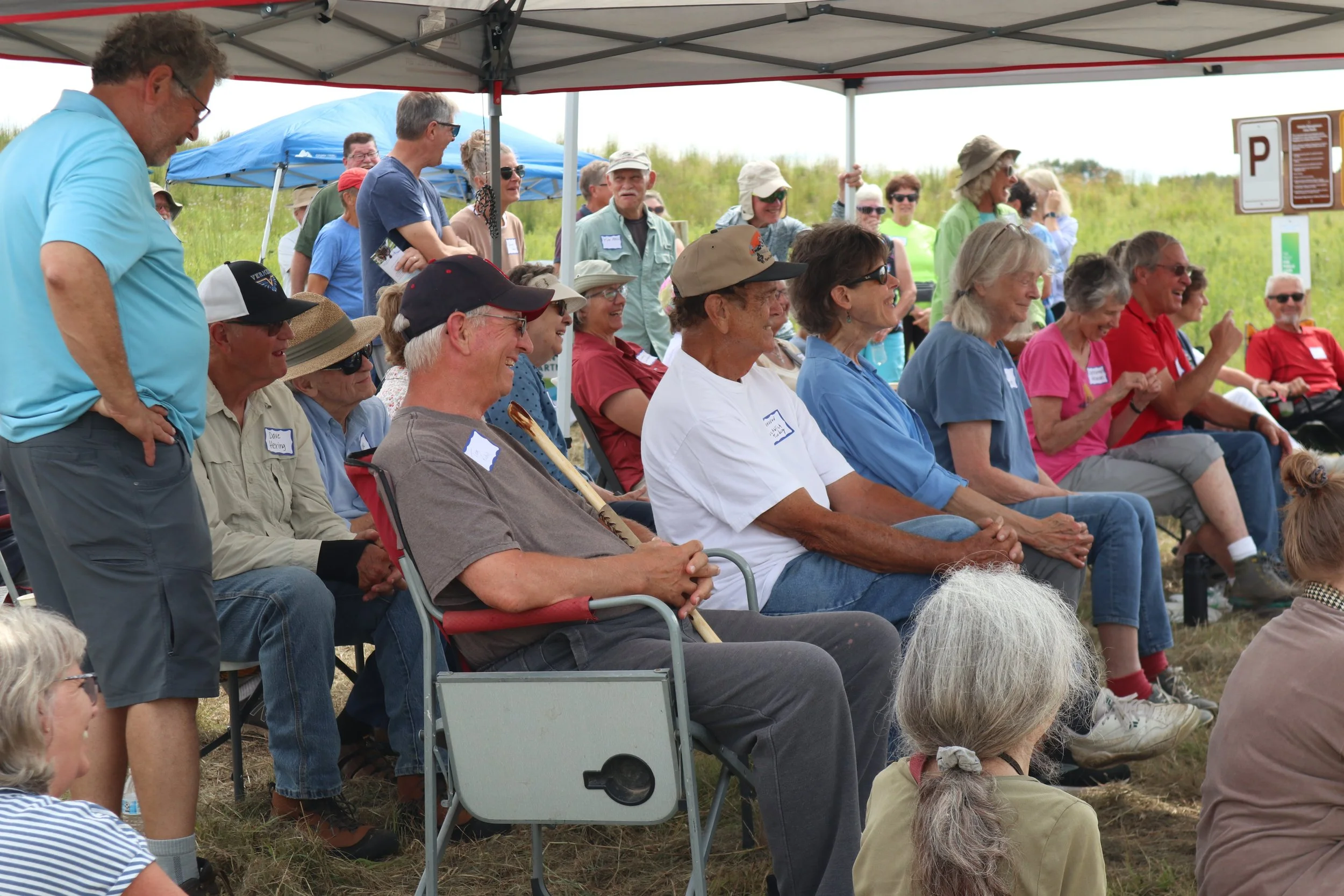
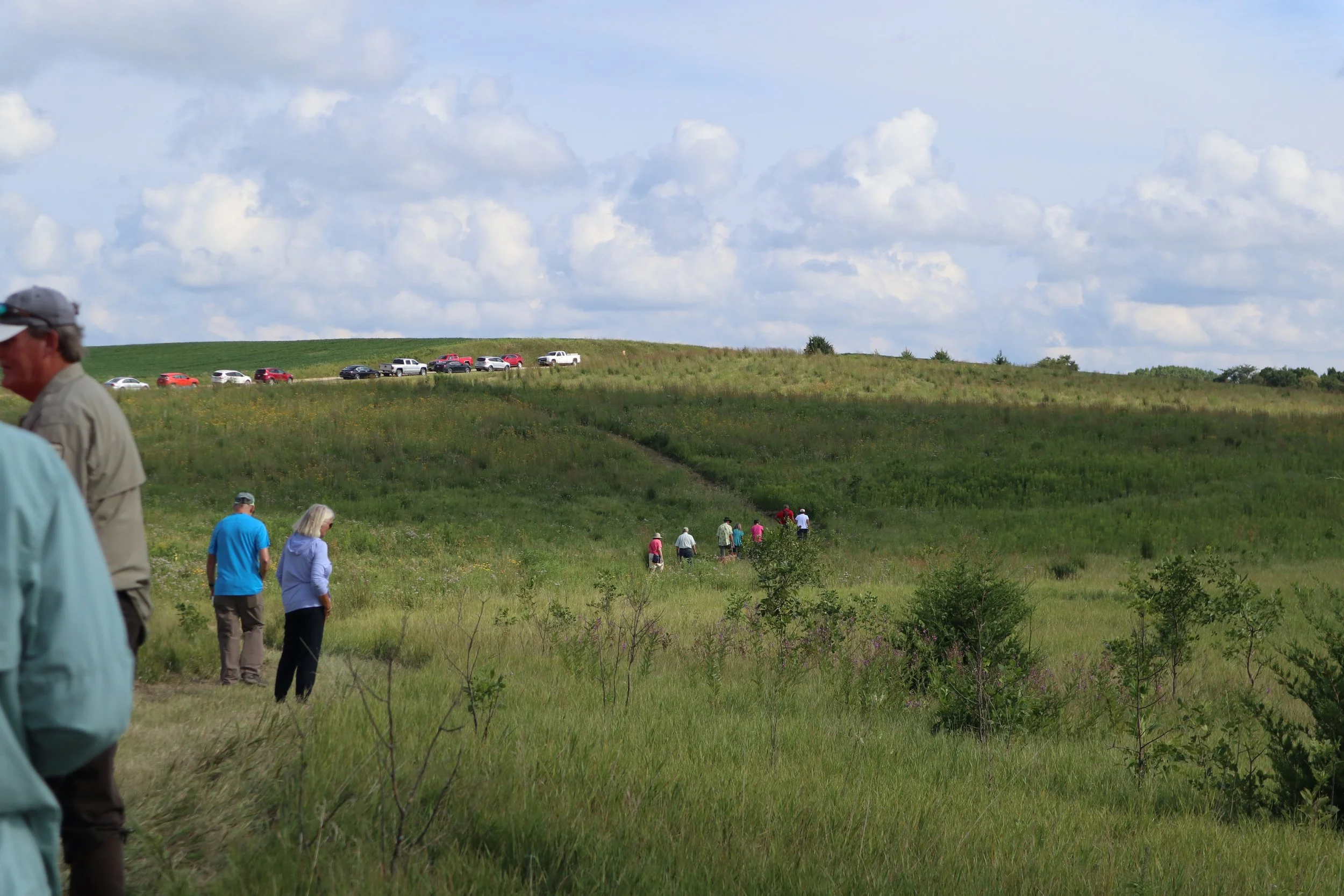
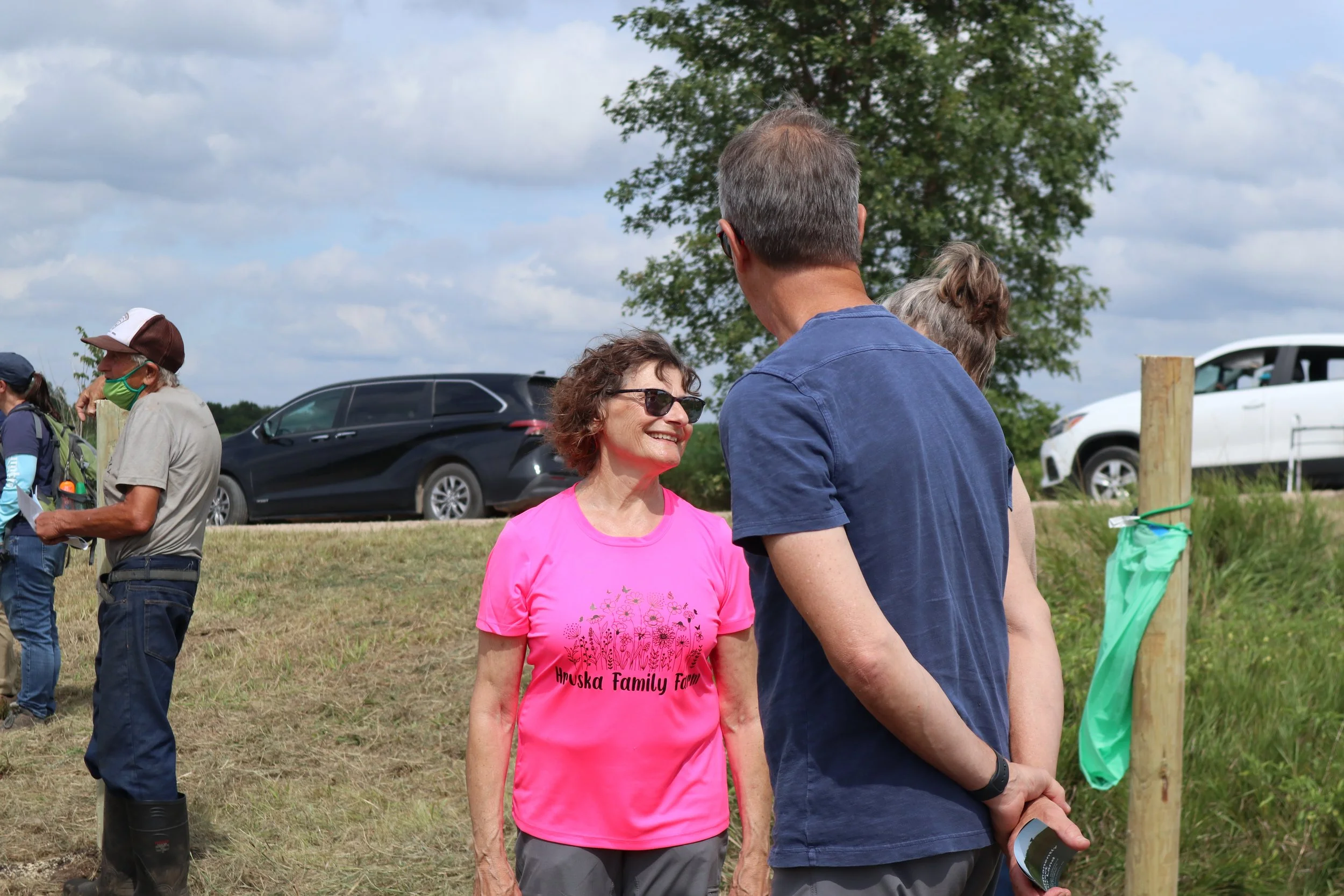
Community members, friends, and family hike through the newly established Horseshoe Lake WMA.
Minnesota’s natural landscapes are under pressure. Over the years, development and agriculture have taken a heavy toll. About half of our wetlands, 40 percent of our forests, and nearly all of our native prairies have disappeared. Wildlife populations have declined, and water quality has suffered. In the Cannon River Watershed, where almost all of the land is privately owned, protecting what remains and restoring key habitats is especially important.
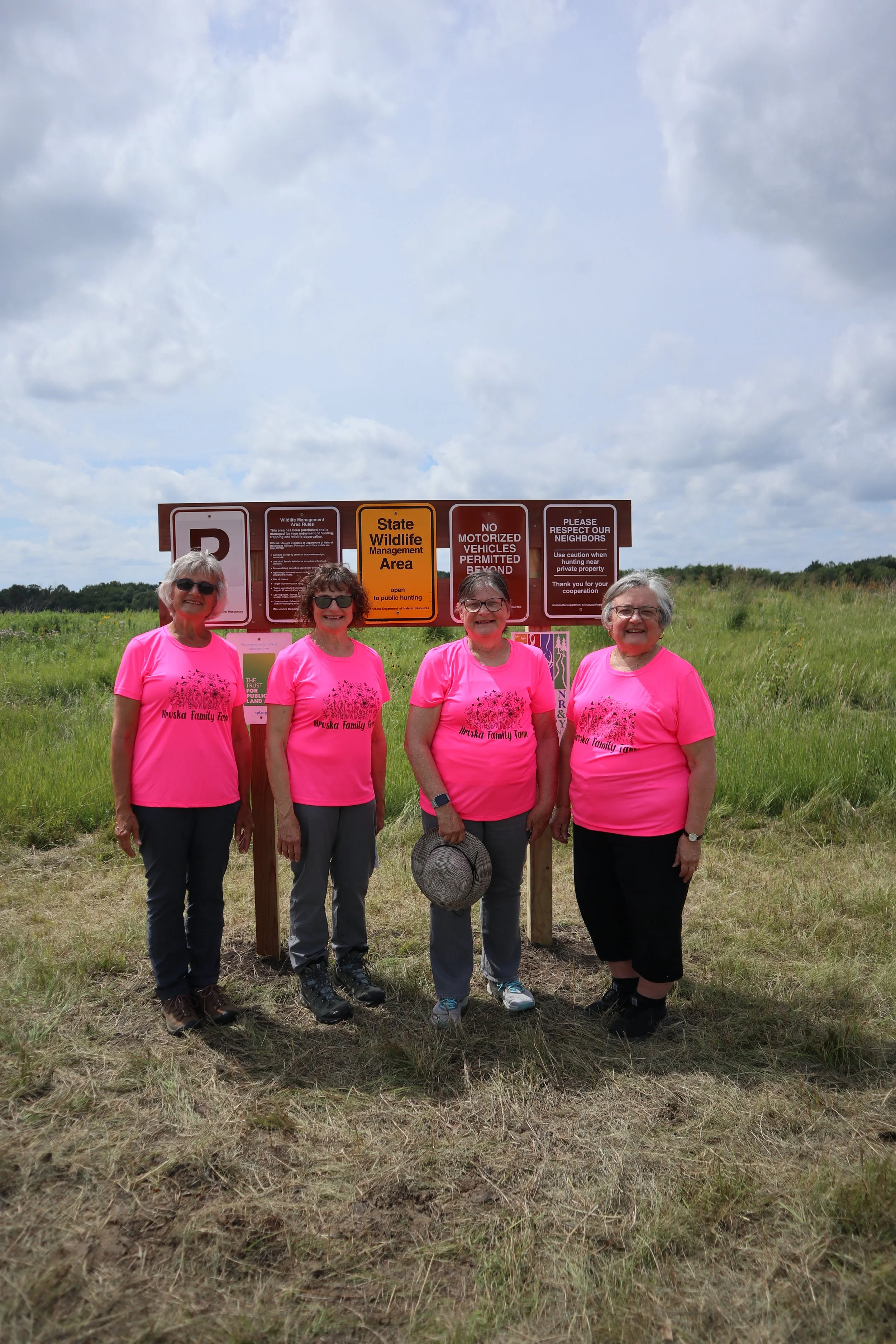
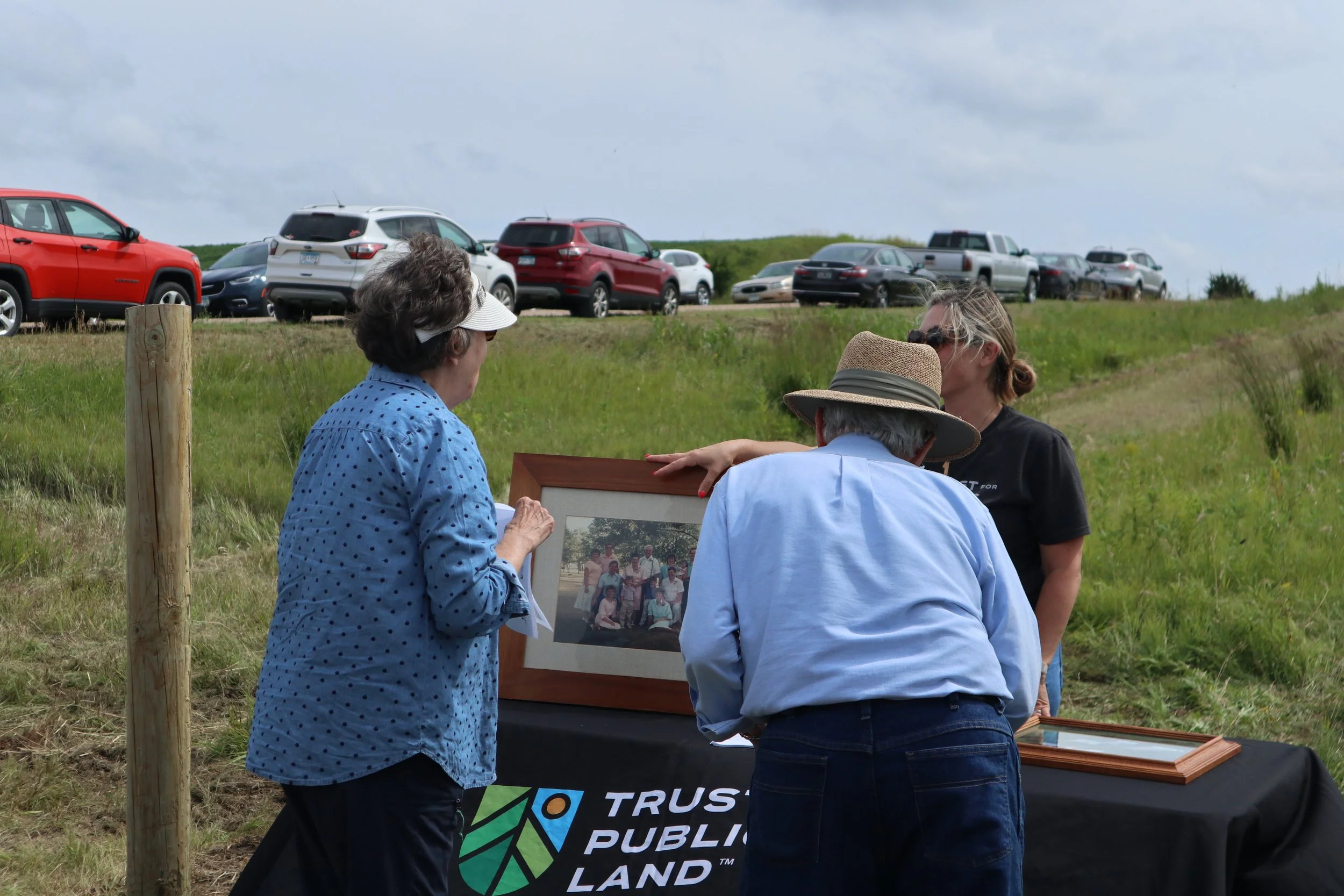
The Hruska family’s century-old farm near Waterville, MN, is a shining example of conservation in action. Purchased by their grandfather in the early 1900s, the farm has been cared for by generations who treated the land with respect. Long before conservation programs were widely available, the Hruskas were among the first farms in Le Sueur County to enroll in the Conservation Reserve Program. They kept fields chemical-free, nurtured healthy soil, and helped maintain clean water.
The farm is full of cherished memories. Spring brought wildflowers such as bloodroot and dutchman’s breeches. Maple trees were tapped for syrup. Children skied and sledded down snowy hills, picked berries, and explored wooded areas. The family planted shelterbelts to slow the wind and protect the soil. In their own words,
“If you look at photos of this farm and the surrounding county, our farm is an oasis in a sea of row crops and housing developments. Transferring this land, originally Dakota land, back to state ownership was a way to add this acreage to protected land for public use.”
With the support of our organization and our trusted partners, Trust for Public Land and Great River Greening, the Hruskas’ vision became reality. They wanted their property to join the nearby Aquatic Management Area along Horseshoe Lake and help create a wildlife corridor in the Cannon River Watershed.
“Our decision was an opportunity to help build a corridor for wildlife and public access,” the family said.
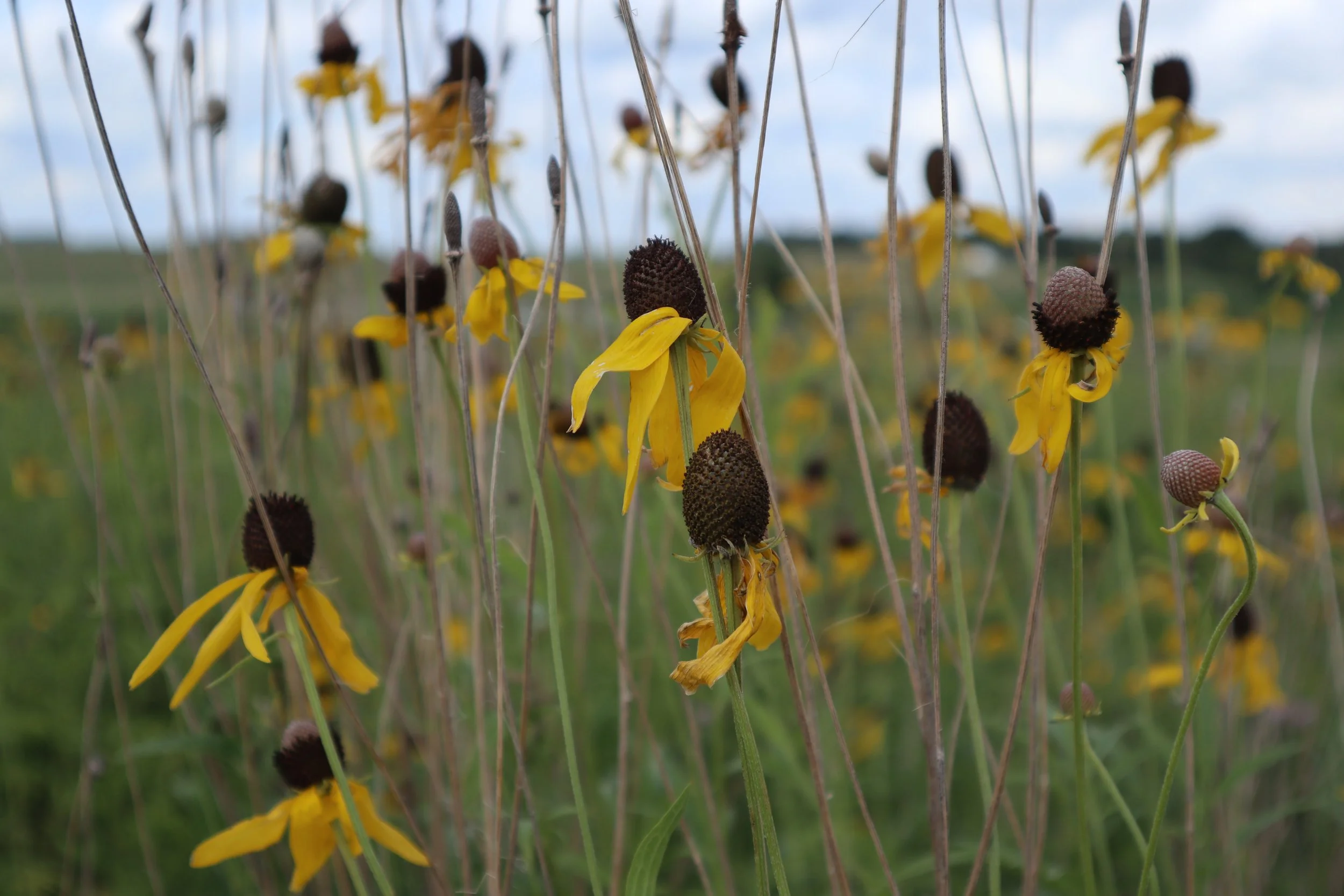
The farm’s transformation into the Horseshoe Lake Wildlife Management Area preserves a remarkable natural landscape. None of the three parcels of woodland has ever been logged. They contain a full mix of Big Woods tree species, including maple, walnut, elm, ash, ironwood, cottonwood, and oak. The former cropland was seeded with native wildflowers to support bluebirds, herons, egrets, warblers, and migratory species such as pelicans and sandhill cranes. Coyotes, red foxes, deer, turkeys, and even the endangered red-headed woodpecker have been observed on the property.
“Trust for Public Land is proud to help permanently protect this special landscape and ensure it becomes part of Minnesota’s treasured system of Wildlife Management Areas,” said Sophie Harris Vorhoff, Minnesota State Director for Trust for Public Land. “Thanks to the vision of the Hruska family and our partnership with Clean River Partners and Great River Greening, this former family farm will now offer public access for hunting, fishing, and wildlife observation while preserving critical habitat for generations to come.”
The 152-acre Horseshoe Lake Wildlife Management Area provides cleaner water, richer habitat, and more opportunities for the public to enjoy the outdoors. The Hruskas are excited to return with their children and grandchildren and to share the land with the wider community. They hope their example inspires neighbors to protect more land, keeping the watershed healthy and preventing overfertilization, pesticide use, and erosion.
Through the care of one family and the collaboration of dedicated partners, the Horseshoe Lake Wildlife Management Area stands as a lasting symbol of Minnesota’s natural heritage and the enduring power of community-led conservation.