
Rethinking Farming for a Healthier Cannon River Watershed
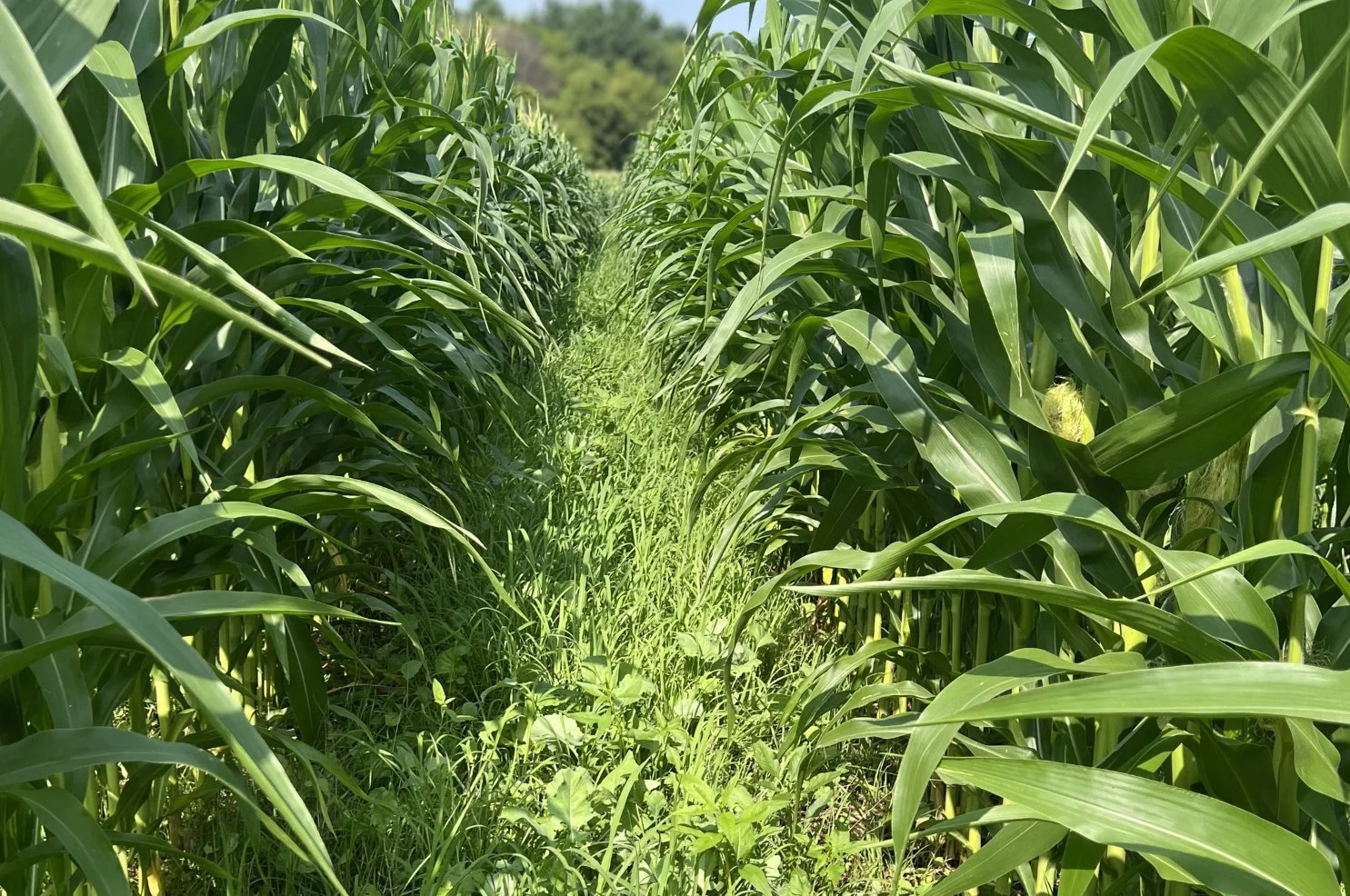
Agriculture plays a defining role in the health of rivers and streams across southeastern Minnesota. In the Cannon River watershed, roughly half of the landscape is actively farmed. That means the way crops are grown here directly impacts water quality, wildlife habitat, and long-term watershed resilience.
Over the past several decades, sedimentation and nitrate pollution have become persistent challenges for waterways across the region. Soil erosion can send sediment into streams during heavy rains or snowmelt, while excess nitrogen from fertilizers can move through the soil into groundwater or nearby rivers. These pollutants threaten aquatic ecosystems, increase water treatment costs, and reduce the overall health of our watershed.
At the same time, farmers face another set of pressures. They must manage input costs, unpredictable weather, and tight margins while producing the crops and livestock that support our food system. That reality raises an important question. How can we support farming systems that protect water and soil while also working for farmers?
At Clean River Partners, our role is to work alongside farmers in the Cannon River watershed to test and share conservation practices that benefit both the land and the people who rely on it. The stakes are high. Healthy rivers and streams support recreation, drinking water, and the natural resources that everyday Minnesotans depend on.
This research project set out to explore one potential solution: cropping systems that intentionally combine cover crops, livestock, and modified corn row spacing to support both conservation outcomes and farm profitability.
Why Cover Crops Matter
Cover crops are plants typically grown between main crop seasons. Species such as clover, rye, legumes, and brassicas can be planted after or alongside corn and soybeans to keep living roots in the soil for more of the year.
While they may look simple, cover crops provide powerful environmental benefits. They help protect soil from erosion caused by rainfall and snowmelt. Their roots improve soil structure and allow water to soak into the ground rather than running off the surface. They also capture excess nitrogen that might otherwise leach into groundwater or flow into nearby streams.
Over time, cover crops can increase soil organic matter and improve long-term soil health. Farmers often see benefits in their own operations as well. Healthier soil can reduce the need for fertilizer inputs and improve resilience during drought or heavy rainfall.
One advantage of many cover crop systems is flexibility. Cover crops can be interseeded into standing corn or soybean fields during the growing season. This allows farmers to maintain their normal planting and harvest schedules without major changes to their operations.
For farmers who raise livestock, the benefits can go even further. Grazing cattle on cover crops can extend the grazing season, provide high-quality forage, and improve nutrient cycling on the farm. In many cases, farmers can use equipment they already own, avoiding the need for major new investments.
Together, these benefits make cover crops a promising tool for improving both water quality and farm resilience. Yet adoption remains low in Minnesota. While cover crop use is increasing across the United States, adoption in Minnesota has remained at around 2% of farmland. That gap highlights the need for practical research that works within real farming systems.
Introducing Wide Row Corn Systems
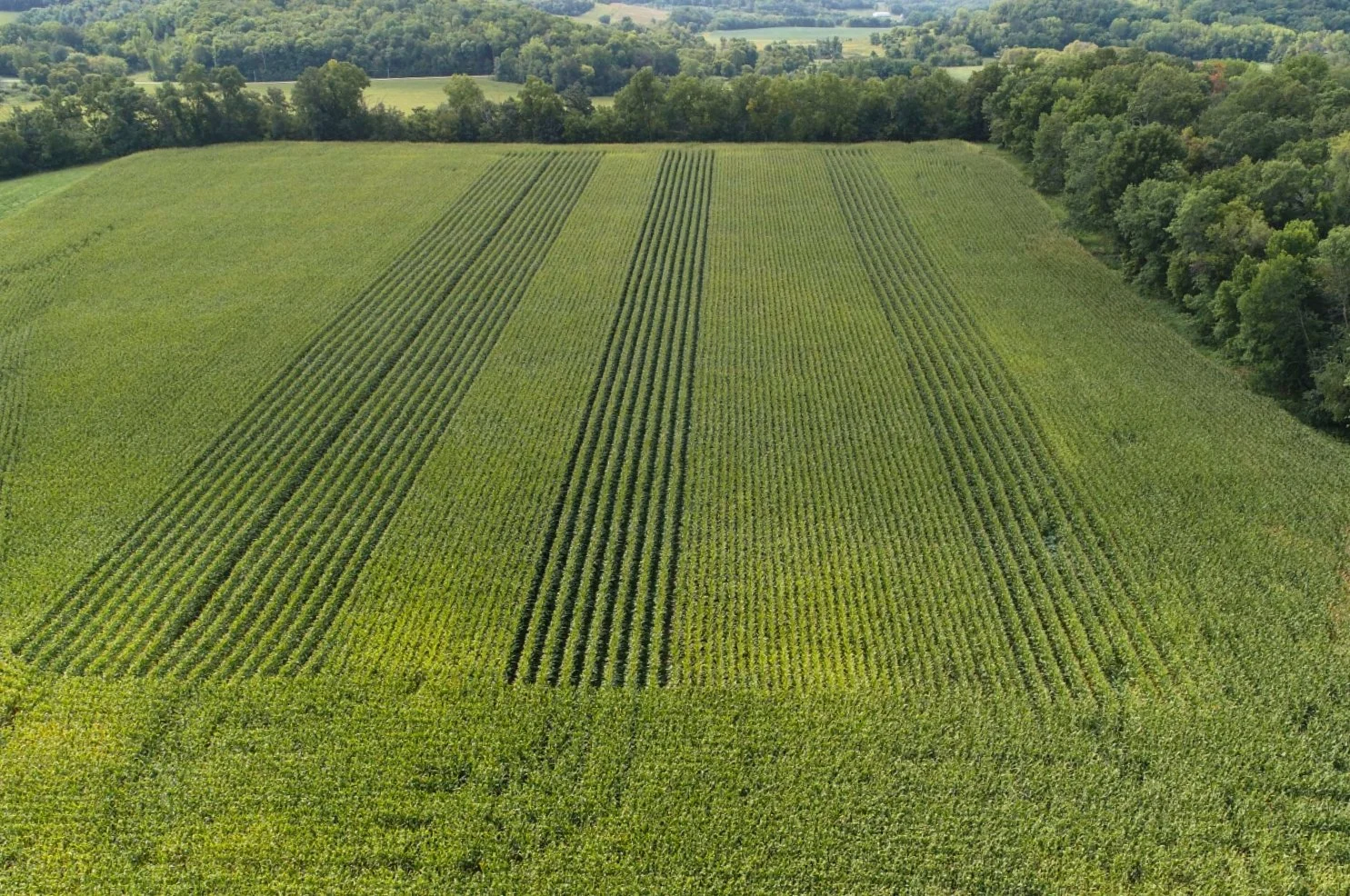
Corn across most of the United States is planted in rows spaced about 30 inches apart. It wasn’t always this way, but for decades, farmers have gradually narrowed row spacing to capture more sunlight and maximize yields. Today, 30-inch rows are widely considered the standard practice for profitable corn production. But researchers and farmers are increasingly asking whether wider row spacing might create new opportunities.
In this project, we explored a system in which corn is planted in 60-inch rows rather than the traditional 30-inch spacing. The wider gaps between rows allow cover crops to grow more easily between the corn plants during the growing season. In theory, this system could allow farmers to grow a productive corn crop while also producing a significant amount of forage for livestock. For farmers who already raise cattle, grazing those cover crops could reduce associated costs of purchasing or producing hay while keeping living cover on the soil.
If successful, wide row systems could help reduce nutrient runoff, improve soil health, and provide additional value to farmers through forage production.
A Collaborative Research Effort
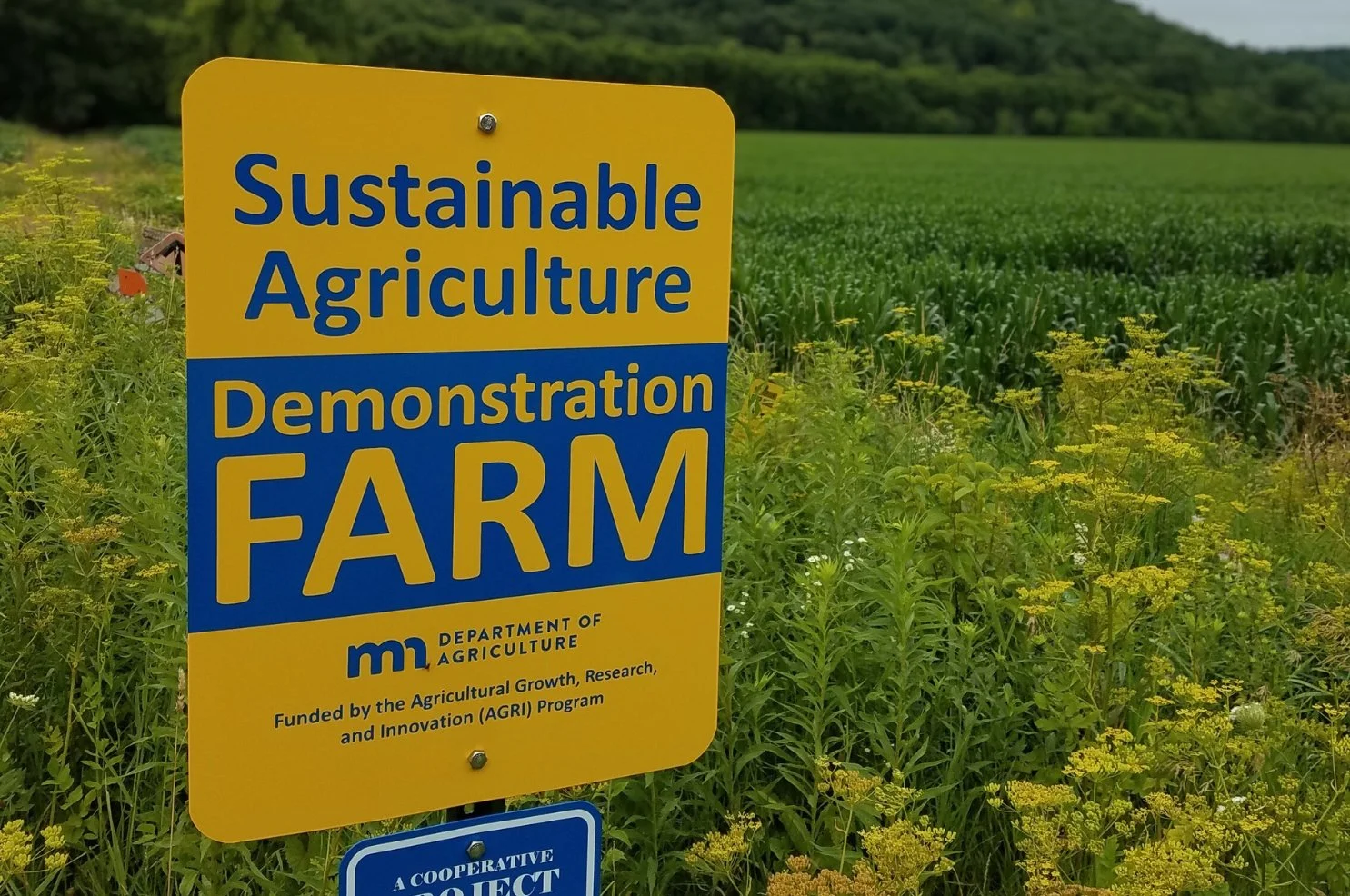
In 2023, Clean River Partners received a Sustainable Agriculture Demonstration Grant from the Minnesota Department of Agriculture through the state’s AGRI program to further study this approach. This project was built on earlier work conducted between 2020 and 2023.
The research brought together a team that included conservation professionals, university researchers, and working farmers.
Clean River Partners coordinated outreach, reporting, and farmer engagement. Our goal was to ensure that the research remained grounded in real-world farming conditions and that the results were widely shared with the community.
University of Minnesota Extension designed and implemented the research protocols. Their team measured corn stand counts, plant health, grain yield, soil conditions, and cover crop biomass in each system.
Farmer collaborators contributed something equally valuable. They provided real fields, management decisions, and practical insight that shaped how the research was carried out under the constraints of everyday farming.
Testing the System on Working Farms
From 2023 through 2026, trials were conducted on three working farms within the Cannon River watershed. Parallel experiments were also conducted at two University of Minnesota Research and Outreach Centers in southeastern Minnesota.
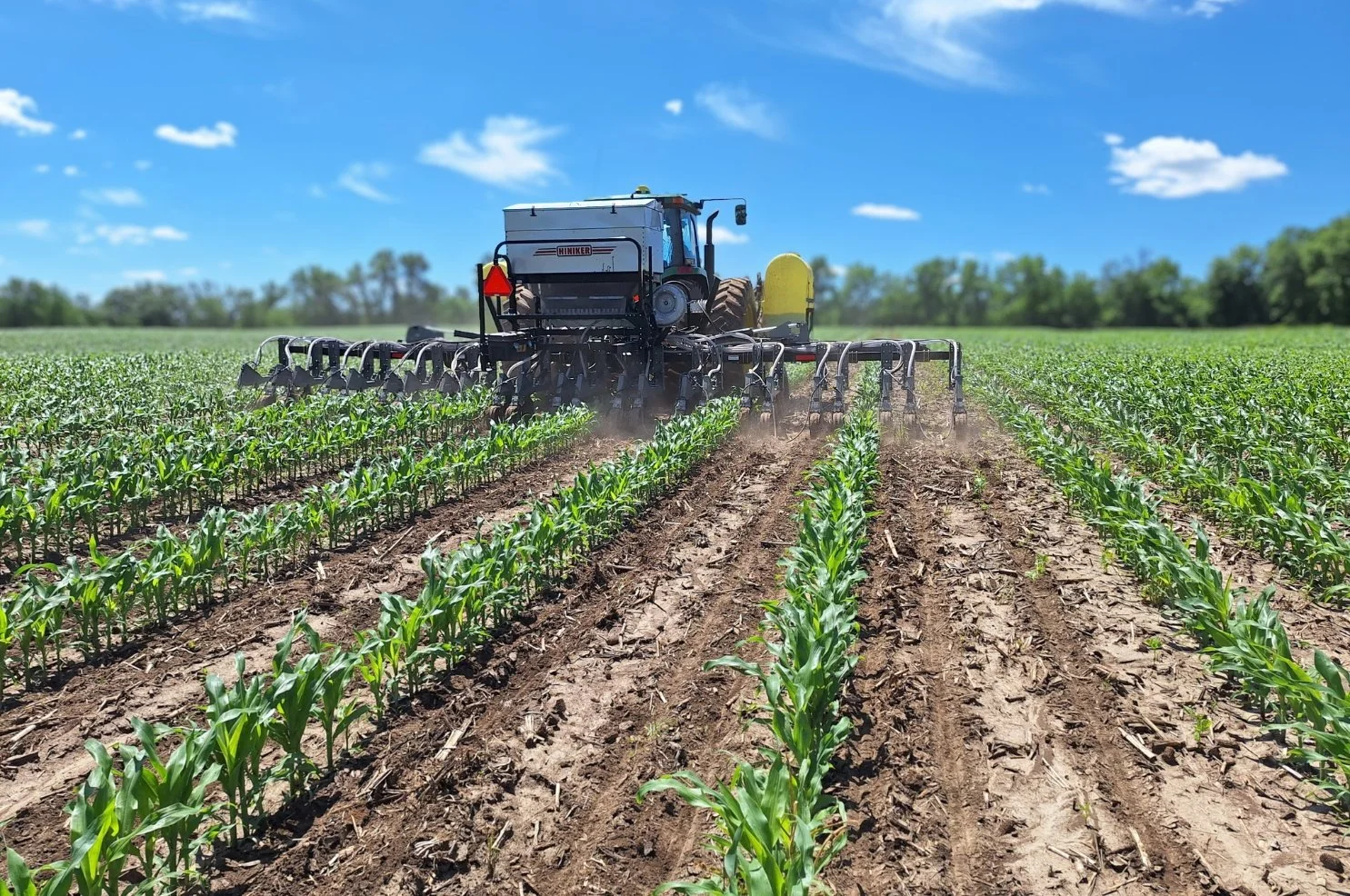
The project tested several planting strategies. Researchers compared standard 30-inch corn rows with 60-inch rows, including a twin row configuration. They also evaluated different planting populations to determine how plant density affects yield in wide row systems. During mid-season, researchers interseeded a mix of cover crops, including annual ryegrass, kale, and turnips. Each year, the team measured corn stands, grain yield, and cover crop mixture growth.
Weather conditions played a major role in the results. A drought caused one farm site to fail in 2023, while heavy rainfall in 2024 delayed field operations and made weed control more difficult. Across the farm sites, corn planted in 60-inch rows produced about 24 percent lower grain yield compared with the traditional 30-inch rows. At the research center locations, the best wide-row yields occurred at higher planting populations of around 38,000 plants per acre.
Even with challenges from weather and field conditions, the project produced three full years of data. Researchers are now analyzing the results to better understand both the agronomic and economic tradeoffs of the system.
Honest Lessons from the Field
Research projects are often shaped by the realities farmers face every day.
One of the farmers who participated in the project was Kyle DuFresne of Goodhue County. Kyle raises beef cattle and grows corn and soybeans, which makes his operation well-suited for exploring systems that combine crops and livestock. But Kyle also faces a common challenge. He does not own the land he farms.
About two-thirds of farmland in the upper Midwest is rented under cash lease agreements. These arrangements often operate year to year, which makes it difficult for farmers to invest in long-term improvements. Infrastructure needed for livestock grazing, such as fencing or water lines, can be expensive to install. If a farmer is not certain they will still be farming that land next season, those investments become risky.
Because of these limitations, Kyle was unable to graze cattle in the research field. Instead, he contributed several acres to help collect data on corn yields and cover crop biomass. This situation highlights an important barrier to conservation practices. Farmers leasing land often need to prioritize crop yields to maintain a stable income for their families. Soil health benefits may take years to appear, but rental agreements are often much shorter.
Kyle also pointed out another challenge related to the location of his fields. Some of his cropland sits within a floodplain. Installing fences in flood-prone areas can be a poor investment because floodwaters can damage or wash away the infrastructure.
Despite these challenges, Kyle believes systems like this have potential, particularly for farmers who already integrate grazing into their operations. Because wide-row corn does not require new equipment or a full farm redesign, it may be more accessible than some other conservation practices. Kyle has already been discussing the approach with other farmers who currently graze livestock on cropland. Those conversations help explore how the system might work under different farm conditions.
He also sees opportunities for additional research. One key question involves planting populations. Until researchers determine the optimal number of seeds to plant in wide rows, it will be difficult to evaluate whether farmers could reduce seed costs while maintaining yields. Input prices for seed and fertilizer also influence whether this system is financially attractive to farmers.
Resources for Farmers
Throughout this study, our team compiled a collection of resources for farmers interested in learning more about wide-row corn systems and cover-crop integration. These include recorded presentations, video interviews with farmers and researchers, podcast discussions, and technical research summaries. All of these materials are publicly available here:
Our goal is to make it easier for farmers, landowners, and conservation professionals to explore the research and decide whether these practices might fit their operations.
Take Action
Protecting the health of the Cannon River watershed requires collaboration across the entire community. Farmers, landowners, researchers, and local residents all play a role in shaping the future of our soil and water. You can help by:
Learning more about conservation farming practices
Supporting farmers who are testing innovative approaches
Sharing research and resources with others in the agricultural community
Attending field days and watershed events to stay connected with local efforts
When farmers and communities work together, we can build agricultural systems that support both thriving farms and clean water. The future of our watershed depends on it.
