Reconnecting a River: Opening the Way for Fish and Wildlife
If you stand along the Cannon River on a summer evening, it looks peaceful. The water moves steadily, anglers cast from shore, and families gather in nearby parks. What you cannot see is what has been missing for nearly 90 years.
In the 1930s, two dams were built along this stretch of river at Lower Sakatah Lake and Gorman Lake. At the time, they served a purpose. But over the decades, these structures quietly changed how the river functions. They created barriers in a system that depends on movement.
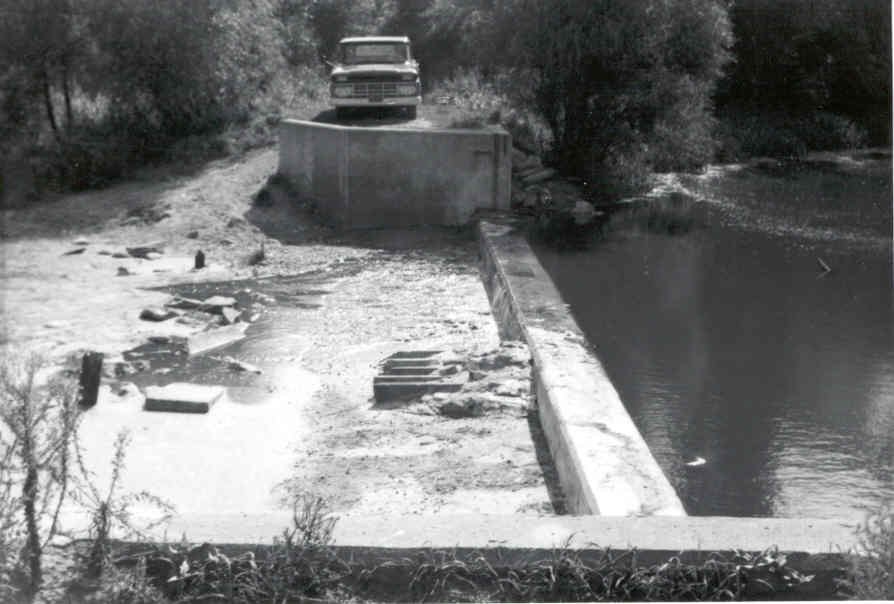
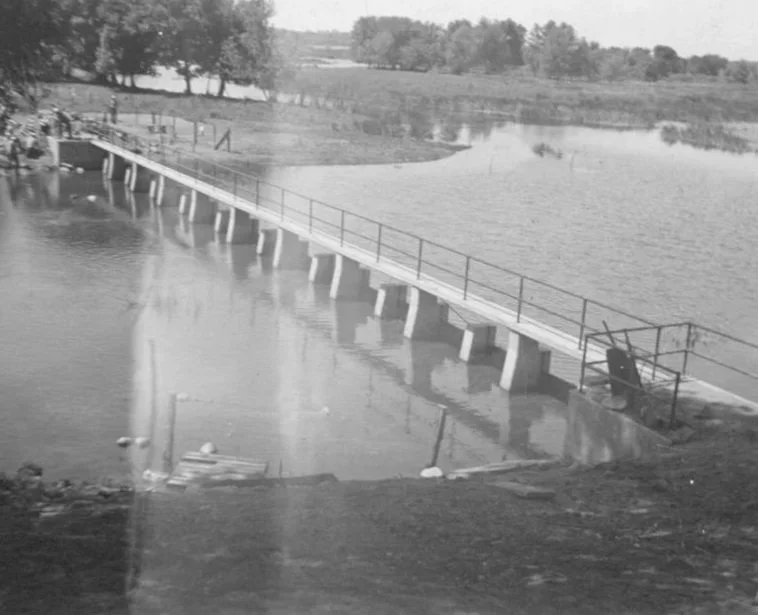
Fish passage is a simple idea. Fish need to move up and down a river to survive. Many species travel upstream to lay eggs in specific habitats with the right water depth, temperature, and gravel. When a dam blocks that path, fish cannot reach those spawning areas. Over time, populations shrink, diversity declines, and the river ecosystem weakens.
On the Cannon River, the Lower Sakatah Lake Dam and the Gorman Lake Dam have prevented native fish from reaching historic spawning grounds for generations. The impact does not stop with fish. Several native mussel species depend on fish to carry their young upstream. Mussels are natural water filters, improving water clarity and quality. When fish movement stops, mussels cannot repopulate upstream areas either. One barrier affects the entire food web.
Our fish passage project is about restoring that movement.
Working in partnership with the Minnesota Department of Natural Resources, the engineering firm Bolton & Menk, and local governments and watershed partners, we are reimagining how these aging dams operate. Instead of tall concrete barriers that fish cannot cross, the new designs use carefully placed rock and boulder rapids. These rapids maintain upstream water levels while creating a gradual, natural pathway that fish can swim through.
This approach reconnects miles of river habitat. It gives native species the chance to return to stretches of river they have not reached in decades. It strengthens spawning success. It supports mussel recovery. And it helps restore the natural rhythm of the watershed.
There is also a human story here.
Low head dams are often called “drowning machines” because of the powerful circulating currents they create. Even strong swimmers and experienced paddlers can become trapped. By replacing these hazardous drops with rock rapids, we improve safety for anglers, kayakers, and families enjoying the river. Restoration and recreation can go hand in hand.
This project would not move forward without collaboration. We began by listening. We hosted and attended several public meetings and presentations in the last year. In the coming year, final designs will be completed and shared publicly. From there, we will take the next steps toward construction.
River restoration does not happen overnight. It requires patience, partnership, and long-term commitment. But the vision is clear. A connected Cannon River. Native fish are moving freely to spawn. Mussels filter clean water upstream. Safer access for people who treasure this place.
When we restore passage in a river, we restore possibility.