
Planting Native for Clean Water
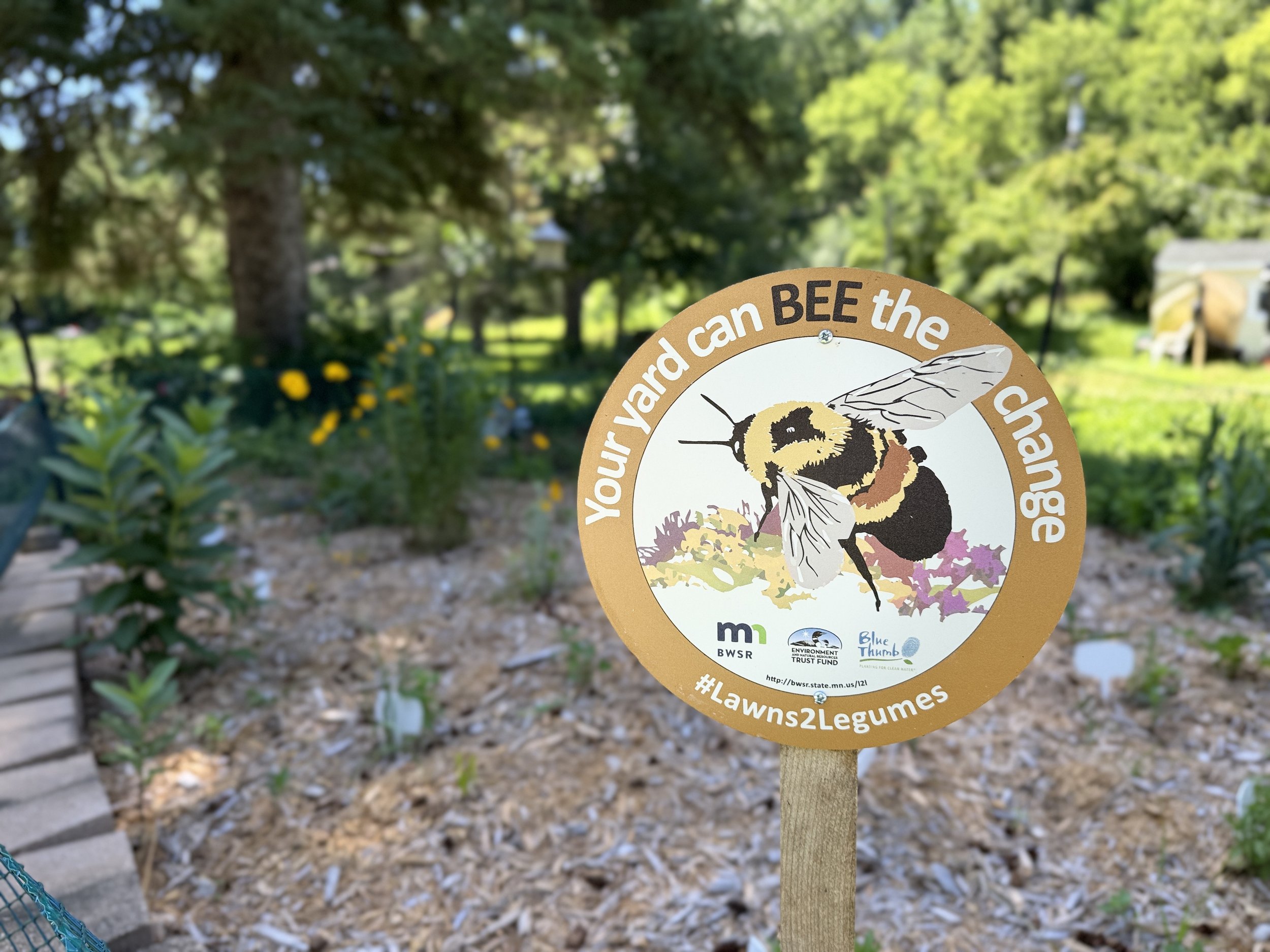
As communities throughout the watershed experience increasingly extreme weather, especially heavier rainfall and flooding, many of us are seeking ways to improve water quality in our own neighborhoods. There is a wealth of information available, and we can all contribute by making small changes. One effective suggestion is to plant native plants.
If you're not familiar with what a native plant is, we're here to help you understand. A native plant is a species that has evolved in a specific region long before humans started transporting plants across continents. Unlike many popular ornamental plants, native plants are already adapted to local rainfall patterns, soil types, and temperatures. As a result, they require less human intervention to thrive.
One of the best aspects of native plants is their beneficial impact on stormwater pollution. In the Midwest, native plants typically have longer roots that help prevent soil erosion by anchoring the soil. Additionally, they require fewer chemicals—if any—such as fertilizers, herbicides, and pesticides. This means we don't have to worry about these substances contaminating our waterways through storm drains.
Native plants are essential for local wildlife because they have co-evolved with these species. For instance, native oak trees support over 500 caterpillar species, while ginkgo trees support none. Caterpillars are important since insects are the foundation of the food web, with 96% of birds relying on them to feed their young. Additionally, native flowers provide crucial food and habitat for bees—14% are keystone species for butterflies and moths, and 40% for native bees, highlighting their importance for pollinator survival.
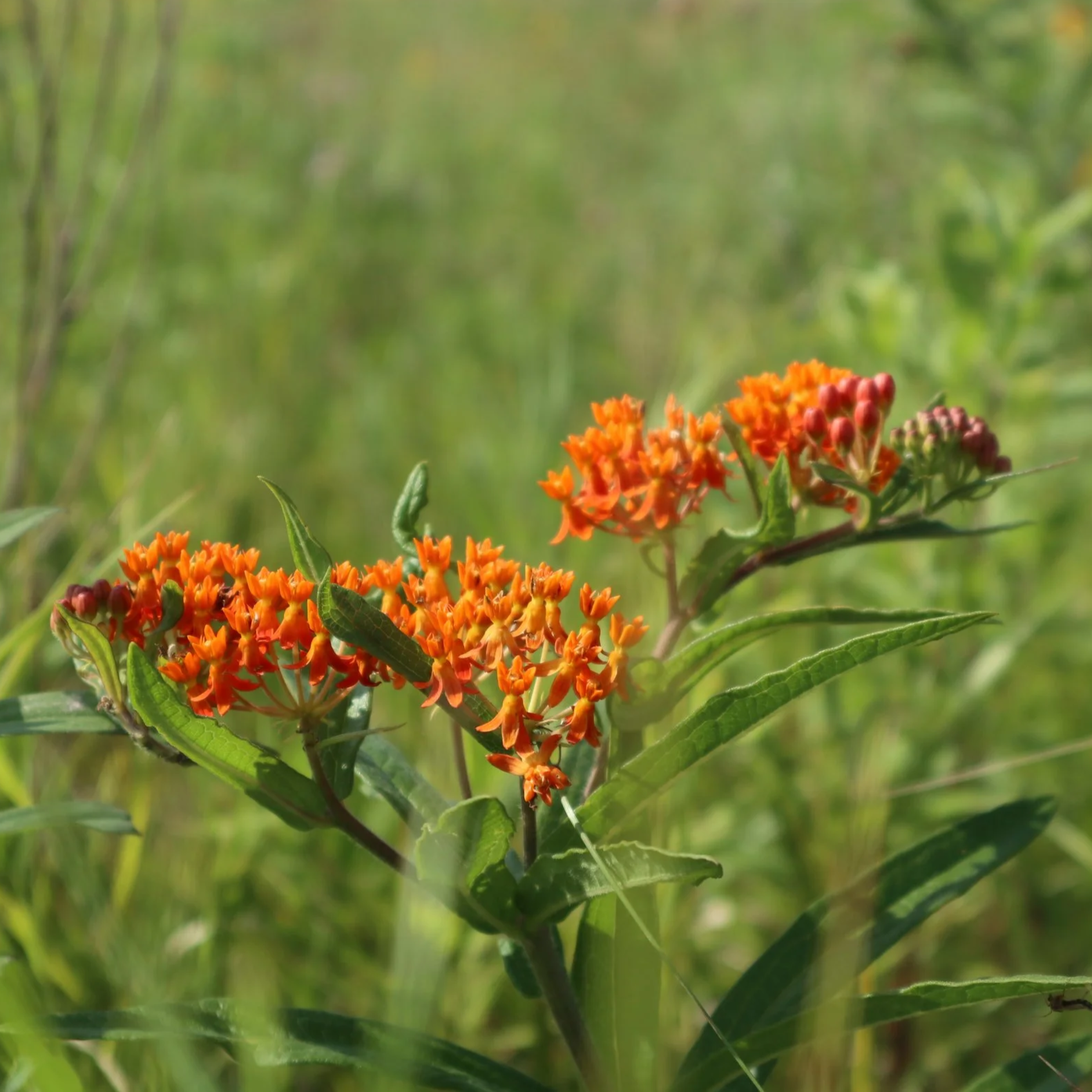
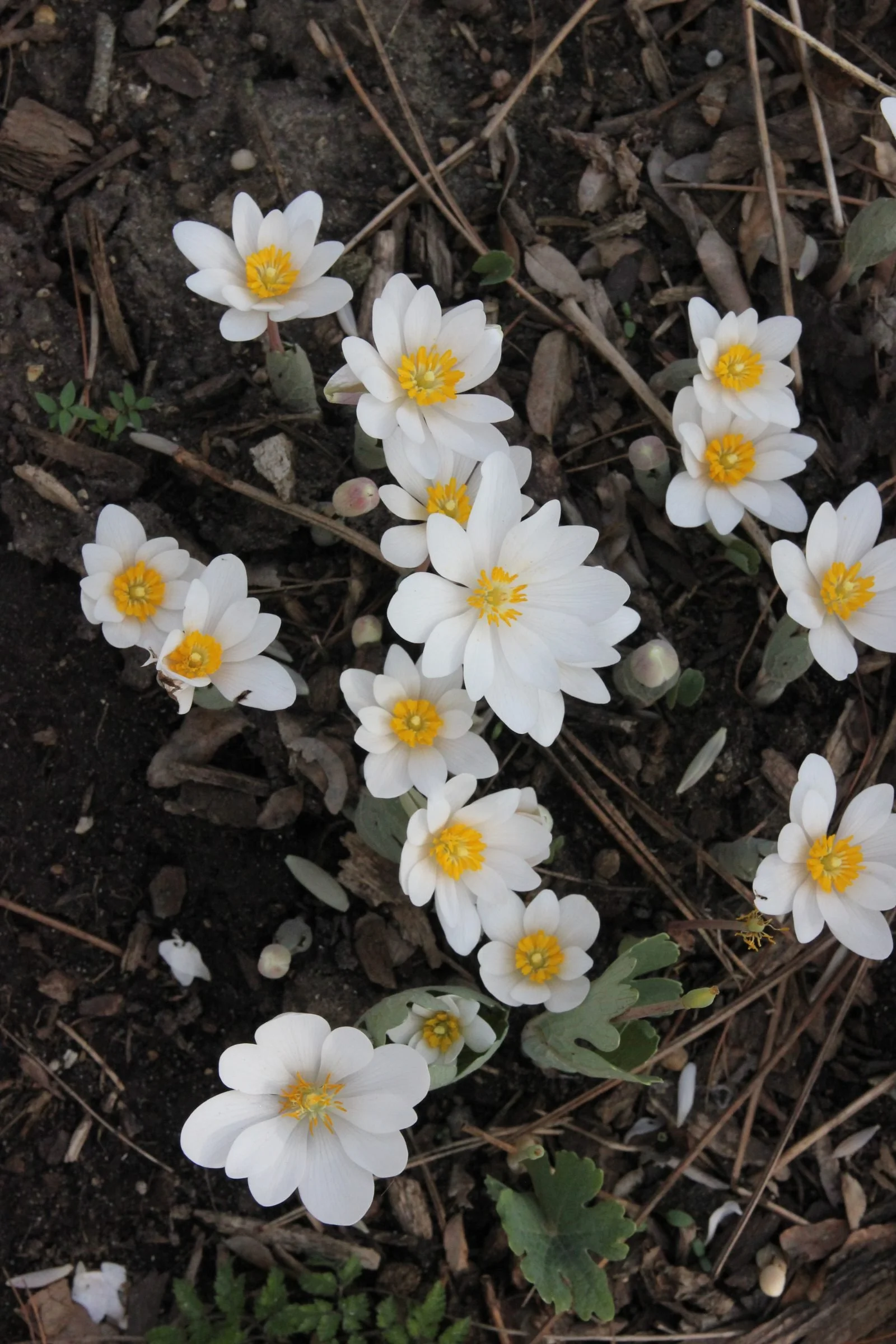
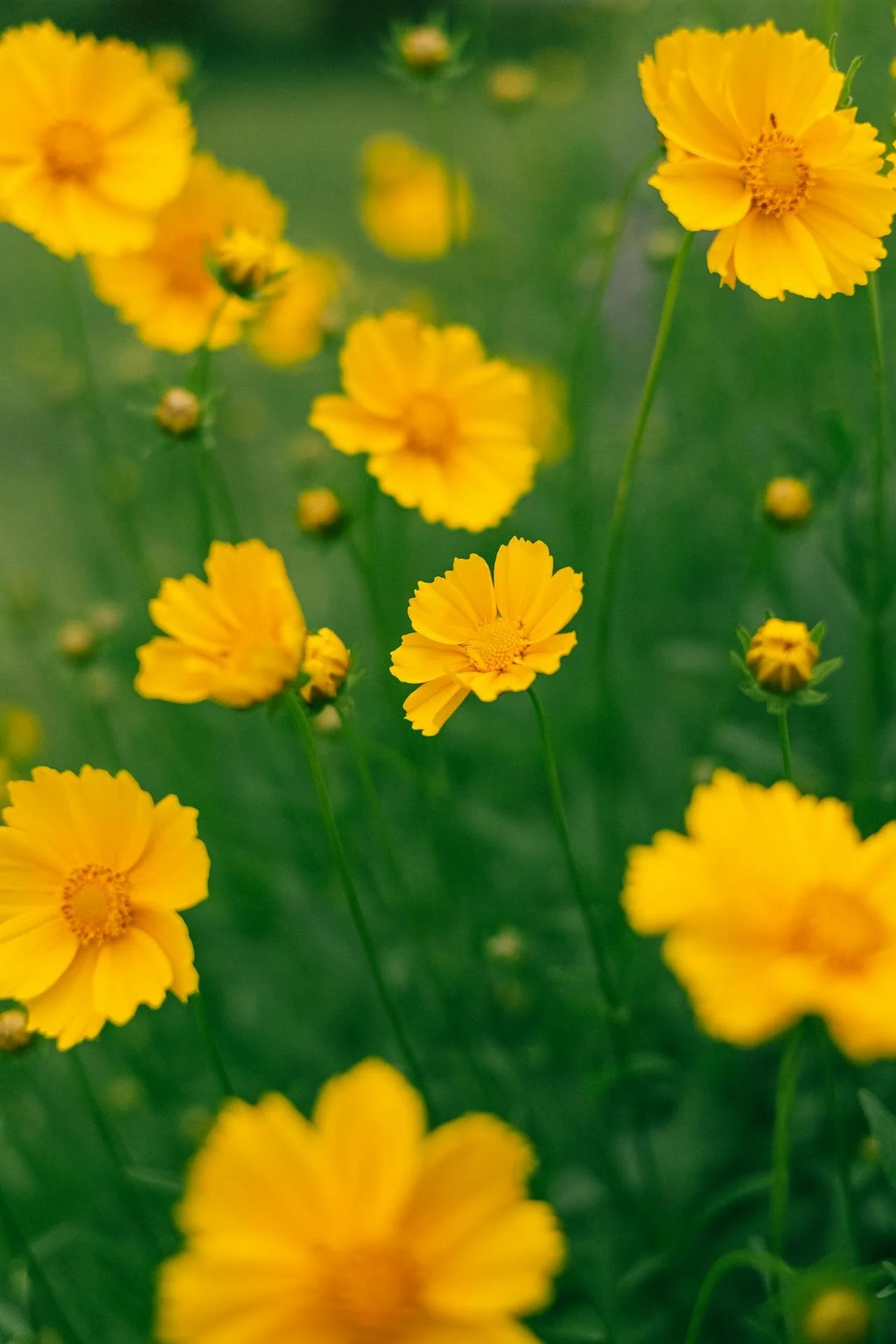
For those new to native gardening, starting small helps. Butterfly weed is an excellent option for sunny, dry areas. This bright orange perennial has a long taproot that helps prevent erosion and makes it highly drought-tolerant. It provides food for butterflies and serves as a host plant for monarch caterpillars. Bloodroot, a spring ephemeral with white flowers, thrives in partial shade and provides a critical early food source for pollinators like mining bees. Lance-leaf coreopsis, though not native to every county, is drought-tolerant, supports native bees, and grows well in poor, sandy soils—proof that not all non-native plants are harmful, and that thoughtful plant choice matters more than rigid rules.
Finding native plants is easier than many people realize. Online tools like Blue Thumb’s Plant Finder and the National Audubon Society’s Native Plants Database help gardeners choose species suited to their location. Local Soil and Water Conservation Districts often host native plant and tree sales, and regional nurseries, like Prairie Moon Nursery in Winona, sell native plants and even beginner-friendly garden kits shipped directly to your home.
Planting native plants doesn’t mean every plant in your yard must be native. Experts generally recommend aiming for about 70–75% native plants while choosing the “right plant for the right place.” That means considering sunlight, soil type, and moisture conditions and selecting plants that will thrive without excessive watering. Even small gardens, balconies, and neighborhood plantings can make a difference.
Planting native plants is not about perfection or transforming your yard overnight. It’s about making practical choices that protect water and local ecosystems, and work with nature rather than against it. At a time when water is becoming an increasingly precious resource, native plants offer a simple, beautiful solution—one backyard at a time.
