Growing Solutions for Soil, Water, and Community
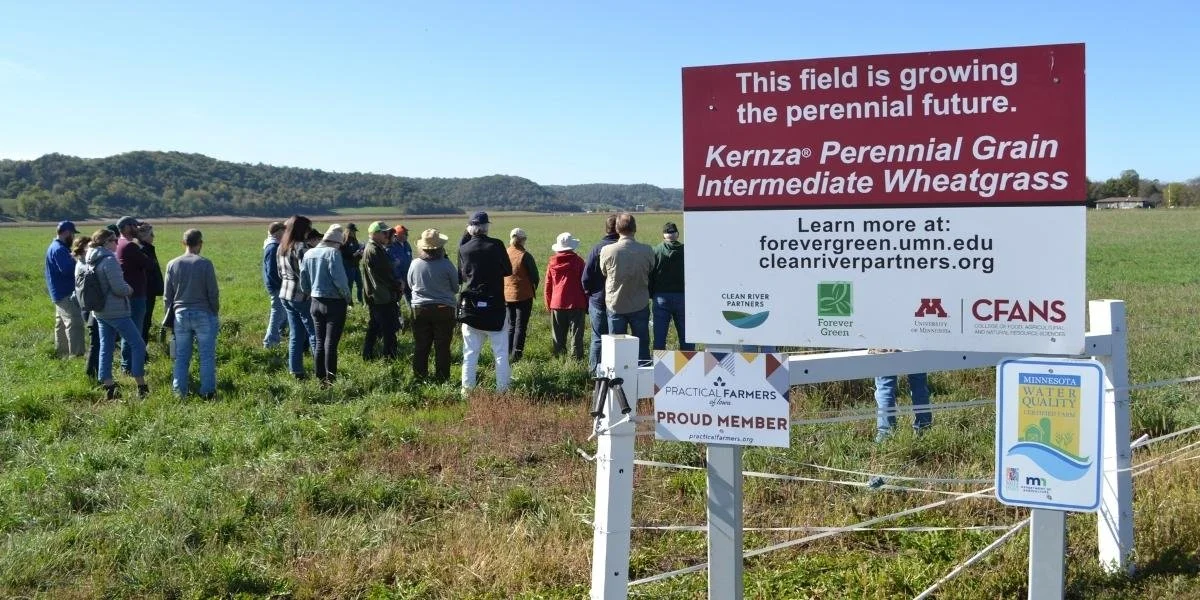
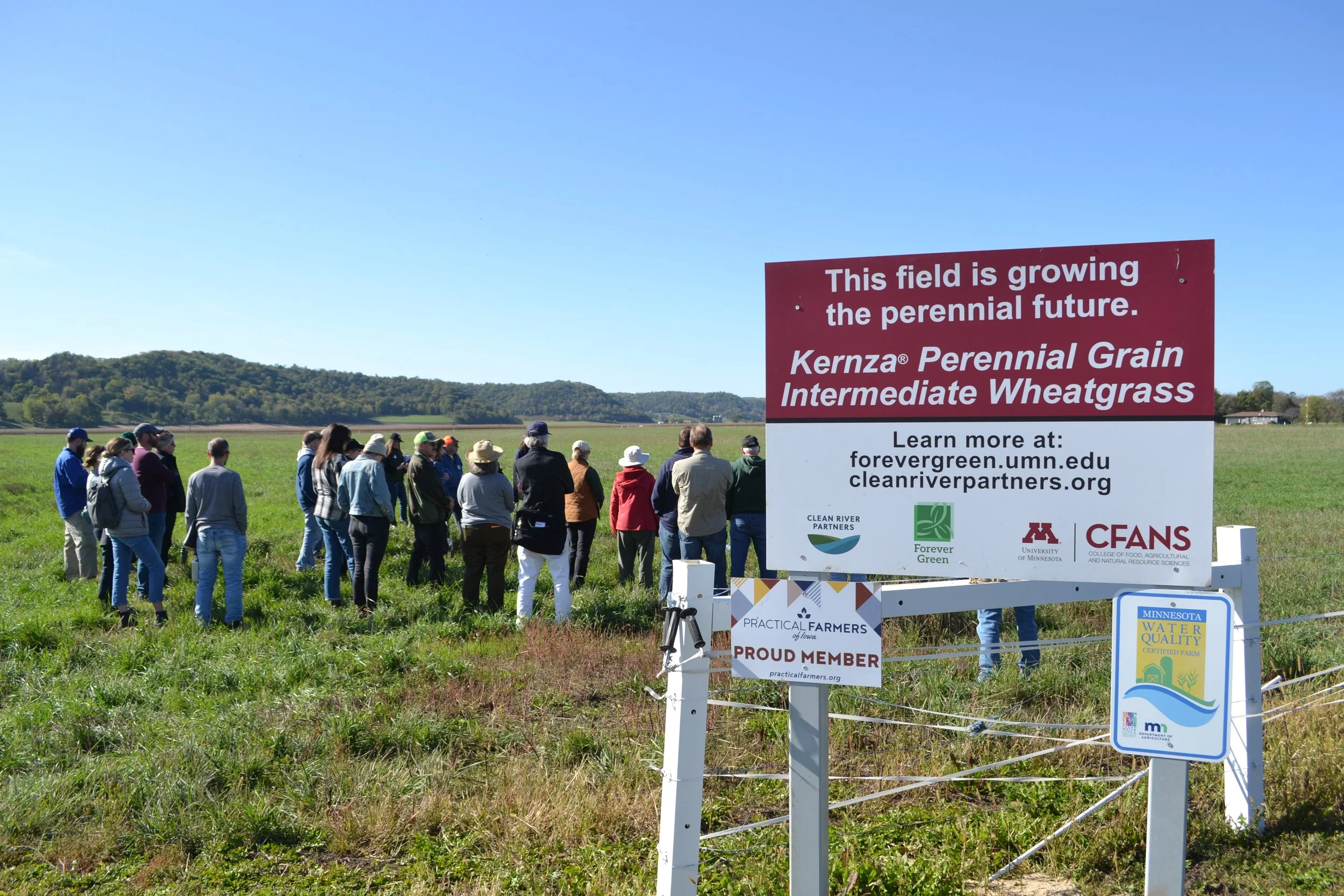
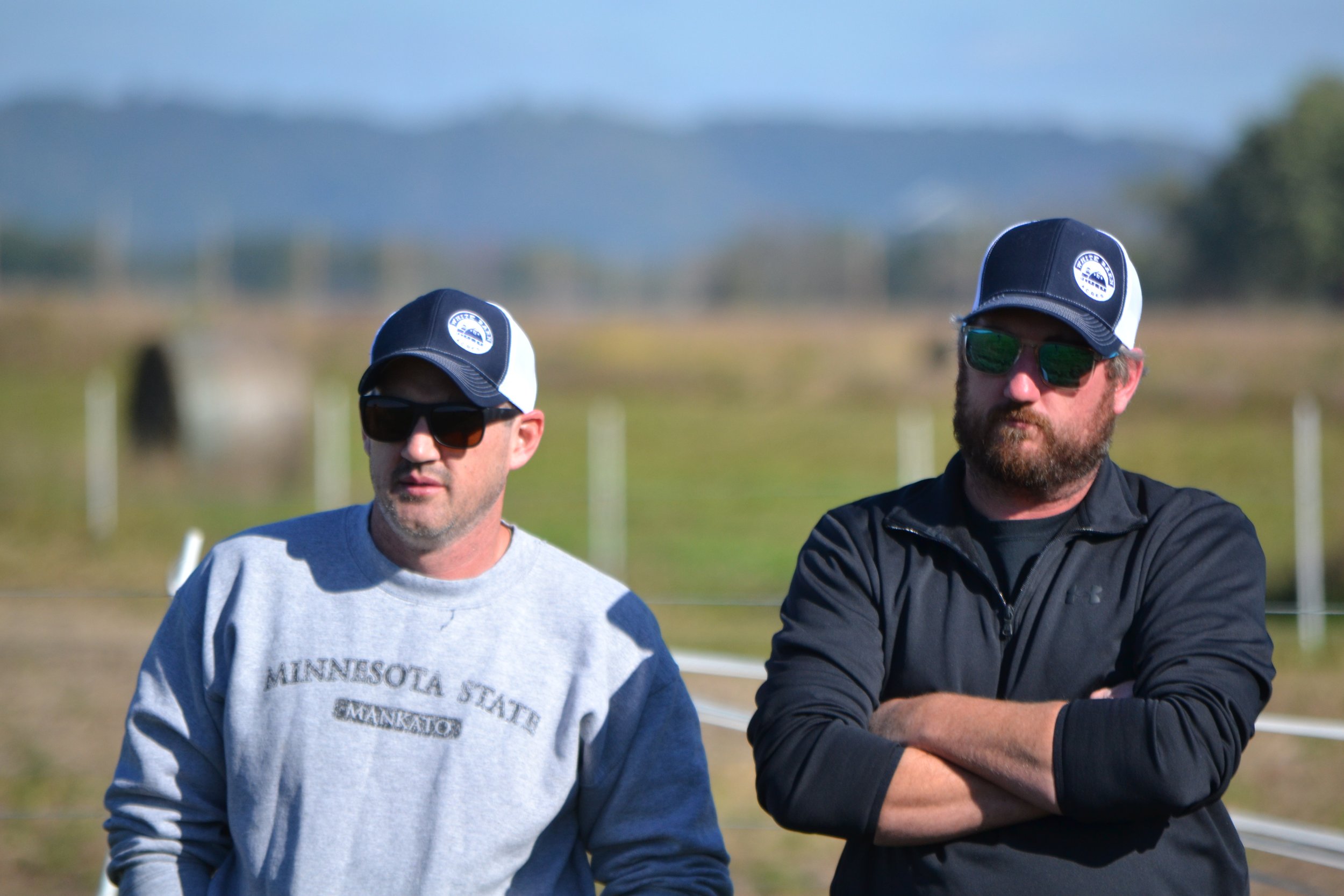
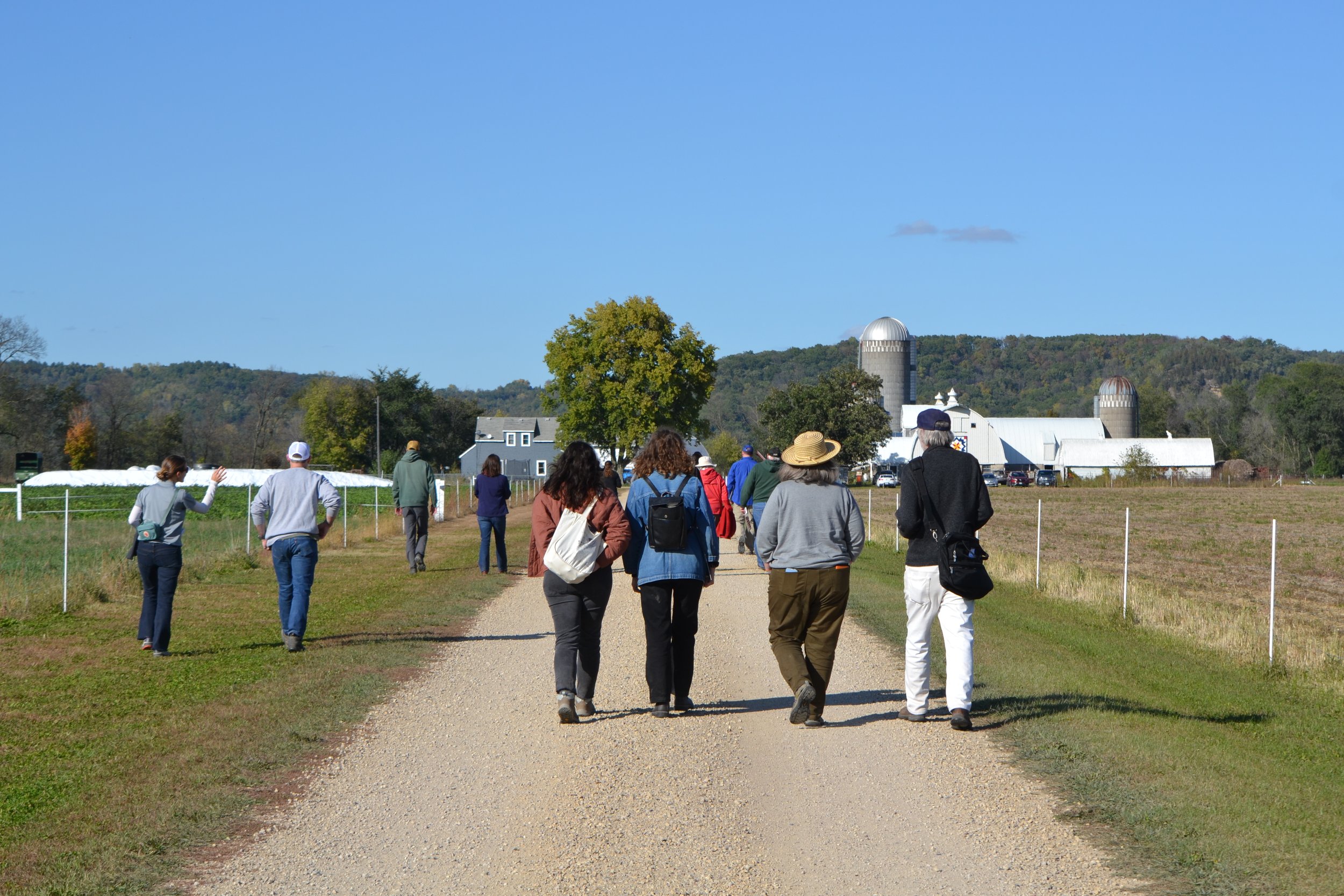
Local farmers and conservation professionals gathered in a field during an event hosted by Matt and Seth Tentis at White Barn Acres.
At Clean River Partners, we work with communities to protect the rivers and streams that sustain life in southeastern Minnesota. The health of these waterways is closely linked to the health of the surrounding land. In the Cannon River watershed, roughly half of the landscape is agricultural, making farming practices a critical factor in long-term water quality and resilience.
For several years, we have partnered with the Forever Green Initiative (FGI) at the University of Minnesota and farmers Matt and Seth Tentis of White Barn Acres to explore whether Kernza® could function as a dual-use commodity crop on a working farm. This collaboration brought research out of test plots and into real-world conditions, where decisions must balance conservation goals, livestock needs, and farm economics.
Why Kernza Matters for Water and Soil
Many conventional annual crops leave the soil bare for long periods. Without living roots, soil becomes vulnerable to erosion and nutrient loss, allowing sediment and pollutants to enter nearby streams and rivers.
Perennial crops like Kernza stay rooted year-round. Their deep roots hold soil in place, improve water infiltration, reduce runoff, and support soil biology. For watersheds like the Cannon River, these benefits translate into cleaner water and more resilient landscapes.
Kernza's Dual-use potential offers hope for diversified farms like White Barn Acres, making sustainable practices more practical and promising for future growth.
A Collaborative Partnership
This research project was a coordinated effort supported by three key partners. Clean River Partners led and coordinated the project, connecting conservation goals with on-farm realities. The Forever Green Initiative designed the research framework and analysis, while White Barn Acres provided land, livestock, and practical knowledge to test Kernza under real farming conditions.
This was our second Kernza case study. The first showed that Kernza’s dual-use aspect creates revenue opportunities from both forage and grain, increasing profitability compared with single-use crops. The second study focused on whether grazing affects subsequent grain yields, which is an important factor in understanding the risks of a dual-use system.
Testing Kernza on a Working Farm
The Tentis family has farmed near Kellogg, Minnesota, since the 1930s. What began as a diversified dairy operation has evolved over generations. Today, Matt and Seth manage roughly 300 acres, raise beef for local customers, and grow sweet corn for regional markets. They value growing and selling food locally. In recent years, they have reintroduced pasture into their rotation. Kernza aligned with their interest in regenerative practices that improve soil health without sacrificing productivity.
In the fall of 2022, Kernza was planted on 20 acres at White Barn Acres. The goal was simple: harvest grain in summer, allow the crop to regrow, and graze cattle in fall. Researchers tracked grain yield and forage quality, while Matt and Seth focused on how Kernza fit into their livestock system and overall farm management.
Cattle were rotated through the field, providing valuable fall grazing when other forage options were limited.
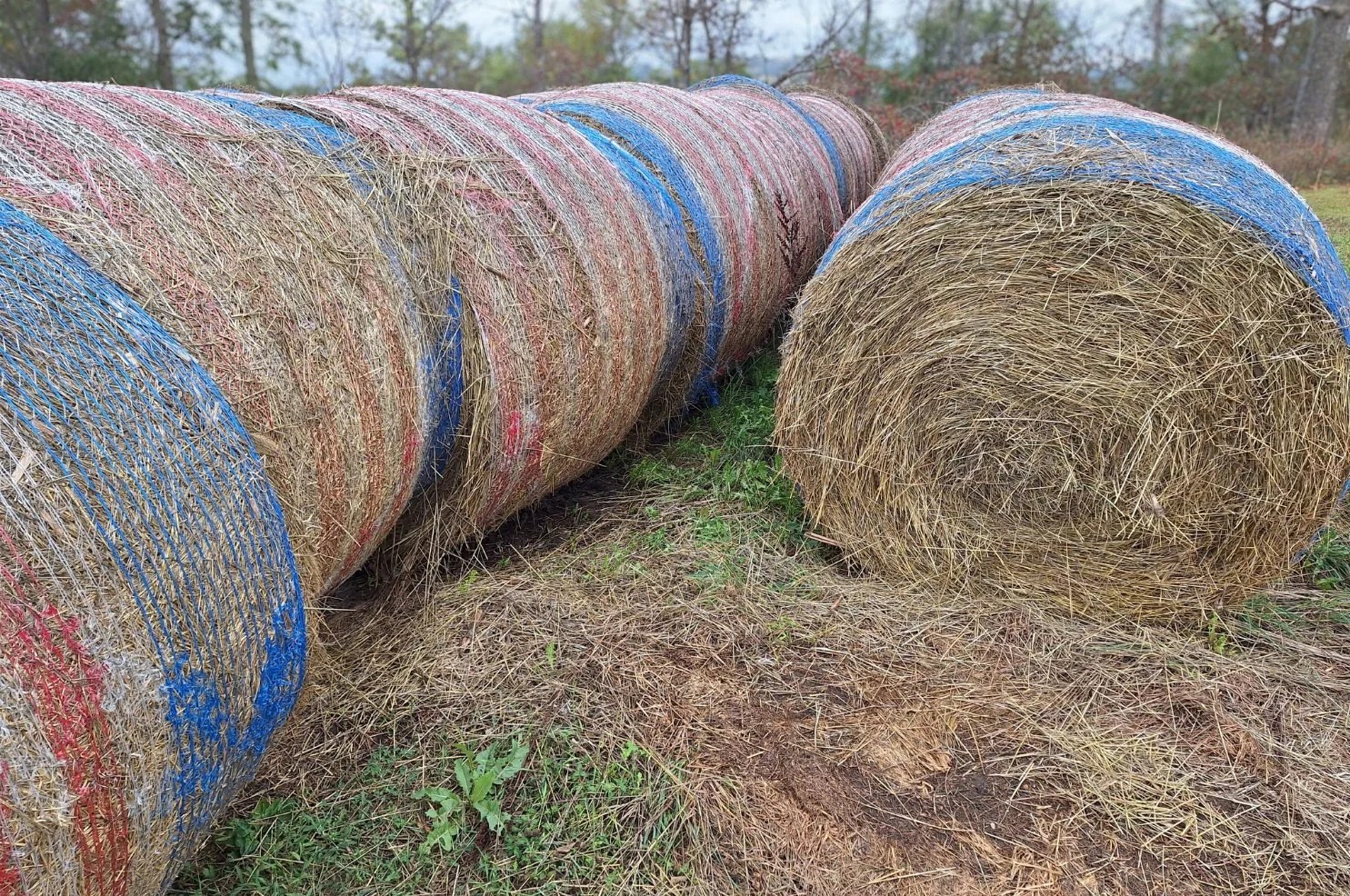
“We also fed Kernza straw during the winter months and found it to be an effective feed source,” they shared. “Given the reduced input costs, this made sense financially and helped us save money.”
Over three growing seasons, Kernza showed both promise and limitations. The first year’s extreme drought caused a fungal issue, resulting in minimal grain production. The second year brought excellent forage and the project's highest grain yields, with grain used in a farm-to-school program in Minneapolis. In the final year, forage production remained strong, and the cleaned grain will be sent to a local distillery to be made into whiskey.
Honest Lessons from the Field
One key lesson from this project was the importance of meeting farmers where they are. Matt and Seth balanced research visits with off-farm jobs and young families. They appreciated partners who were flexible, respectful, and willing to adapt alongside them.
While Kernza is reliable as forage, current challenges, such as harvesting logistics and limited markets, can make adoption feel daunting, but understanding these hurdles helps us better support farmers.
Their experience highlights the importance of farmer-led learning. Growing Kernza on a working farm revealed lessons that cannot be replicated in controlled trials. By sharing both successes and challenges, Matt and Seth hope to help other farmers make informed decisions about experimenting with new crops.
Looking Ahead
The next question is: what would make it easier for farmers to grow Kernza? According to initial costs and market uncertainties, developing reliable markets and support systems can enhance its long-term profitability, making Kernza a more attractive option for sustainable farming.
White Barn Acres remains committed to stewarding the land and raising beef for future generations. While Kernza is not yet scalable for them, Matt and Seth continue to believe in its long-term potential. With better processing options and stronger markets, perennial grains could become an important part of regenerative farming systems that protect soil and water.
Take Action
You can help make regenerative crops like Kernza a practical option for farmers and a solution for cleaner rivers. Support local farmers, advocate for perennial grain markets, buy products that contain Kernza to help drive market demand, and stay informed about practices that protect soil and water. Together, we can grow healthier landscapes and resilient communities, one farm at a time.