How to Save Money With a Home Water Audit
This article was featured in the Northfield News.
Amidst news of major environmental issues such as wildfires and drinking water contamination, it can sometimes feel like there is little we can do as individuals to help. While large-scale change is certainly needed, taking steps at home to reduce environmental impact can also make a difference– and, maybe more importantly, foster a sense of coordinated action and hope.
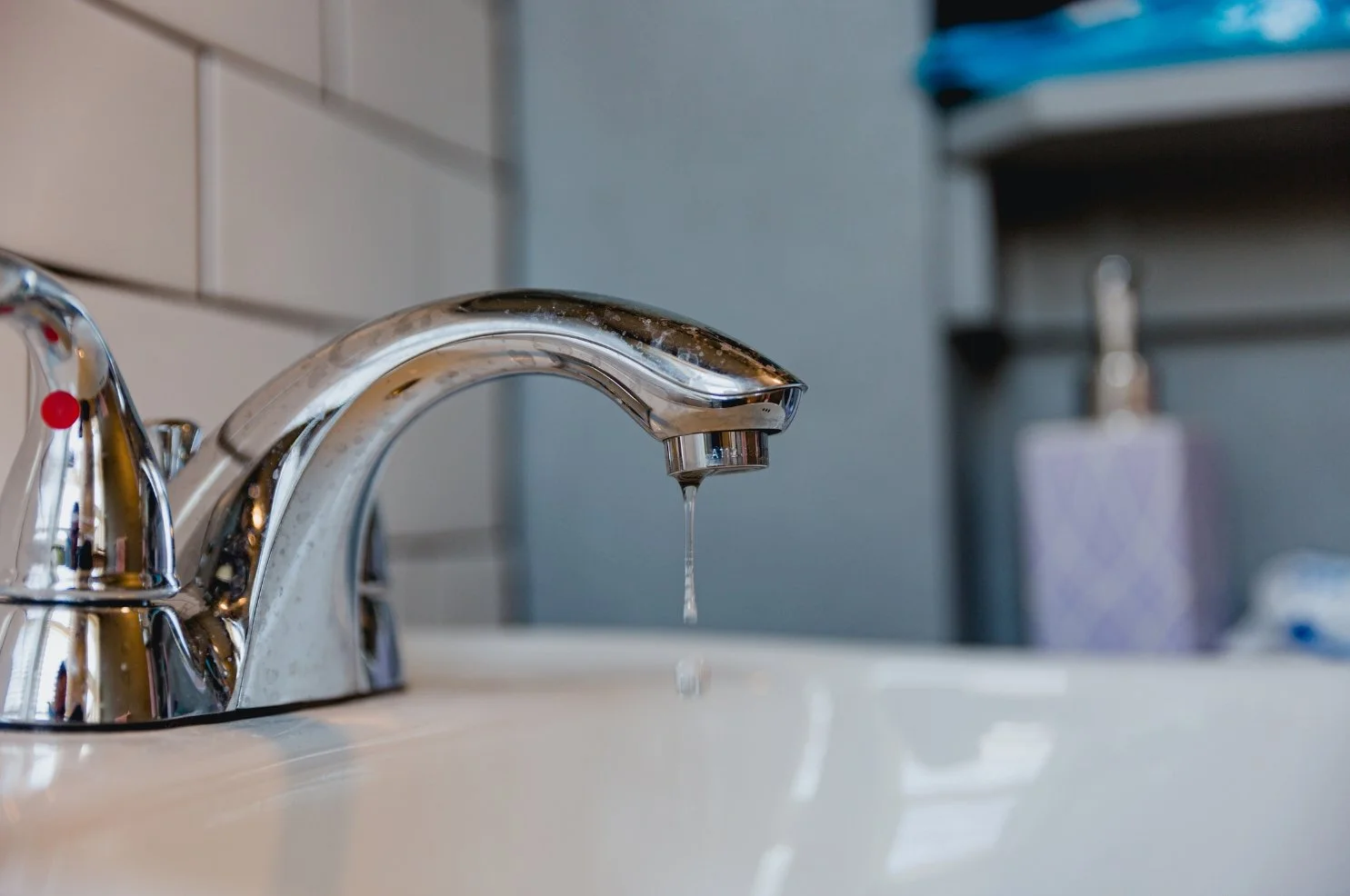
Residents of Northfield can act now by conducting a home water audit. Similar to an energy audit, a water audit is a quick and easy way to assess water use and make changes that reduce your utility bill. Homeowners and renters who complete this process save money and decrease water usage by 30% on average. The best part? A home water audit is a self-directed project, so you choose which steps you would like to take– or skip. Here’s how to get started.
Calculate your water use.
The average Minnesotan uses about 52 gallons of water each day for indoor activities such as washing dishes and bathing. How do you measure up? Check your water bill, read the water meter, or use an online calculator to find your water footprint. This will generate an initial data point so you can assess how much the audit helps you reduce your water use. A water footprint calculator offers the added benefit of breaking total water usage into estimated amounts for different household activities.
Check for leaks.
This is the easiest way to reduce water use with little to no cost. Leaks can often be fixed at home without the need for a plumber, and addressing them can save upwards of 300 gallons of water each month, or about 10% on your water bill. Look for leaks by monitoring the water meter, testing toilets for leaks with a dye solution, and conducting a visual inspection of water fixtures in your home.
To use a water meter to find leaks, turn off all water fixtures and refrain from using any appliances that draw water. Then check the meter: if it continues to rise or the low-flow triangle is spinning, there is a significant leak. Catching smaller leaks requires leaving the water off overnight.
You can also look for leaks by walking around the house. Check for dripping or pooling water around faucets, showerheads, toilets, and pipes leading to appliances. Outdoors, look for wet spots in landscaping– or, take it even further by conducting an outdoor water audit on your sprinkler system.
Replace and retrofit appliances.
If you are willing to spend a little up front, replacing appliances with new or high-efficiency models can dramatically reduce water use and save money in the long run. For example, toilets made before 1993 use 3.5-8 gallons per flush (gpf), while new high-efficiency toilets use 1.6 gpf or less. For a quicker installation, consider low-flow showerheads or faucet aerators.
Financial incentives may help reduce the initial cost of new appliances. Residents in Northfield can take advantage of city rebates for Energy Star Certified clothes washers as well as showerheads, toilets, and weather-based irrigation controllers with the WaterSense® Label.
Examine and modify your habits.
Reduce water use for free by making small changes to your daily routine. Not only will you save on your water bill, but you will feel that your everyday actions are making a difference for the environment. Take a look at a checklist of water-saving habits and ask yourself: What do I already do? Where could I improve? Pick two or three actions and resolve to make them a habit.
After conducting a water audit and making changes, check your utility bill or water meter to see how much you are saving. Remember, reducing water use not only makes a difference for your wallet, but for all of us on this planet who rely on water.