2025 Community Impact Report
A year of connecting people, land and water.
Organizational Updates
-
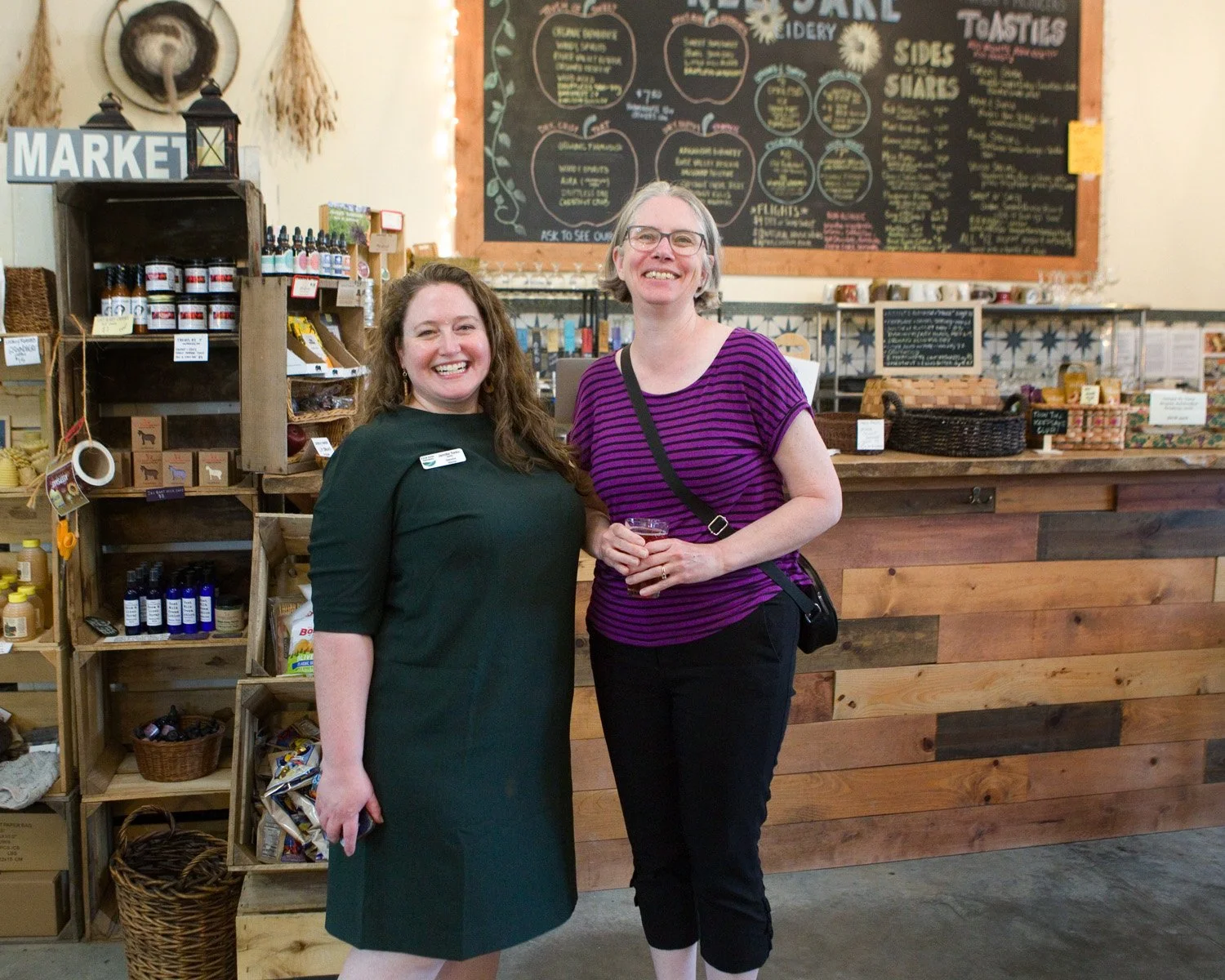
A Letter From Leadership
In 2025, what stood out most to me was the strength of this community.
Throughout this report, you’ll see the many ways people came together to care for–and celebrate–the land and water we all share. Connection is one of the guiding ideas in our work, but this past year made something even clearer: those connections are what sustain us.
As 2025 came to a close, I thought it was a year that was building momentum for what was ahead. Looking back now, it feels more like a year of careful preparation: of tending relationships, strengthening partnerships, and setting aside what we would need for the future.
Because 2026 is asking more of all of us.
This year is shaped by an uncertain funding environment and increased pressure on the resources that support this work. In moments like this, it becomes clear what truly carries an organization forward. For us, it is this community.
Thank you for being part of this community—for helping build what we needed to sustain this work, and for continuing to show up in the year ahead.
As you read through this report, you’ll see what that collective effort made possible in 2025 and how it is positioning us for what comes next. For a closer look at where we’re headed in 2026, I invite you to turn to the Looking Ahead section at the end of the report.
Jennifer Tonko, Executive Director
-
Our Finances
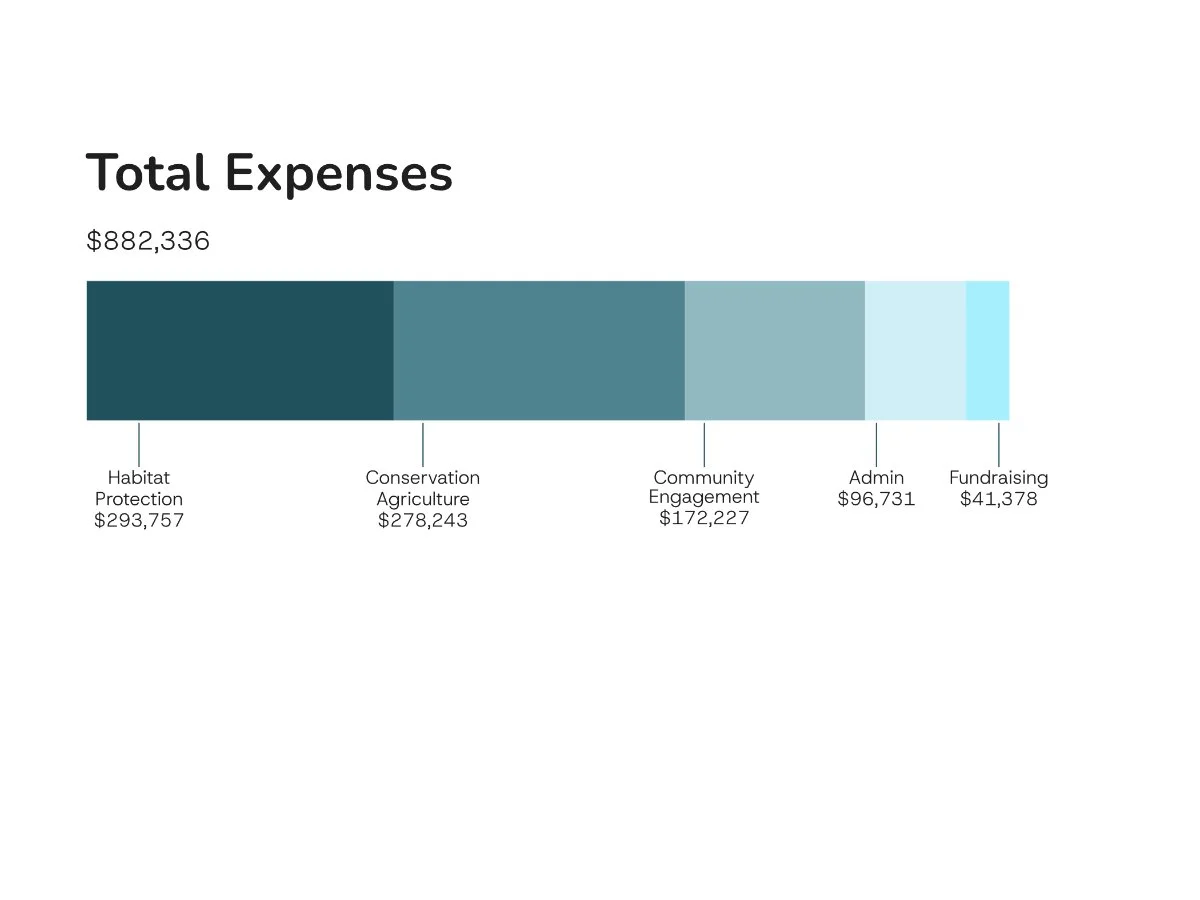
All of this work takes resources—time, expertise, people, and yes, money.
Each year, we begin with a gap between the work we know is needed and the funding we have secured. We build a plan to close that gap through grants, partnerships, and community support.
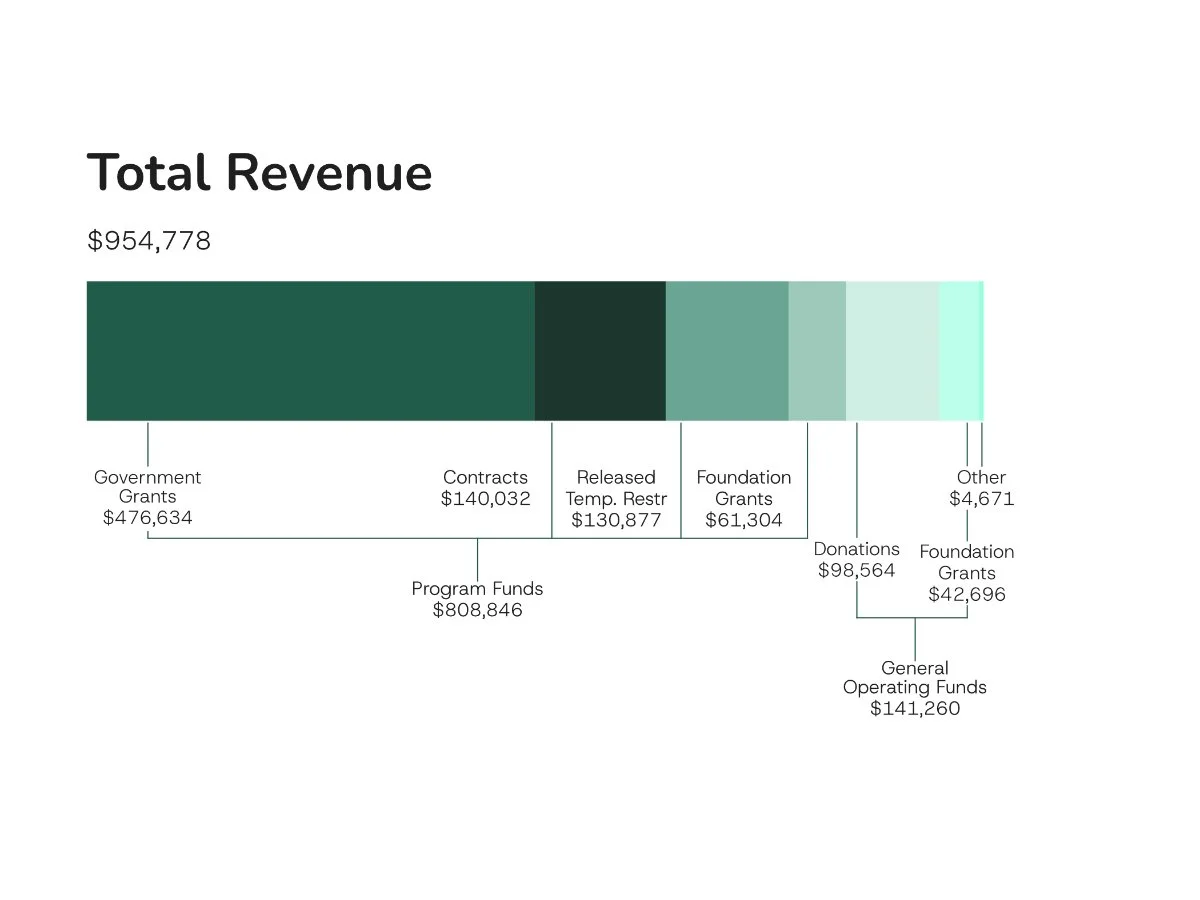
On January 1, 2025, that gap was $160,000. Because of this community, we not only closed that gap, we exceeded it, ending the year with nearly $955,000 in total revenue supporting our work.
That matters, because the need is growing. On January 1, 2026, our funding gap was $325,000.
The progress you see throughout this report is only possible because people choose to invest in it. Advancing the Cannon River Fish Passage project, expanding cover crops across the watershed, and creating opportunities for people to connect with the land and water—all of it depends on community support.
This is how resilience is built. Not just through plans or projects, but through people showing up—year after year—to sustain the work.
Thank you for being part of what makes this work possible.
Stories from the Watershed
-
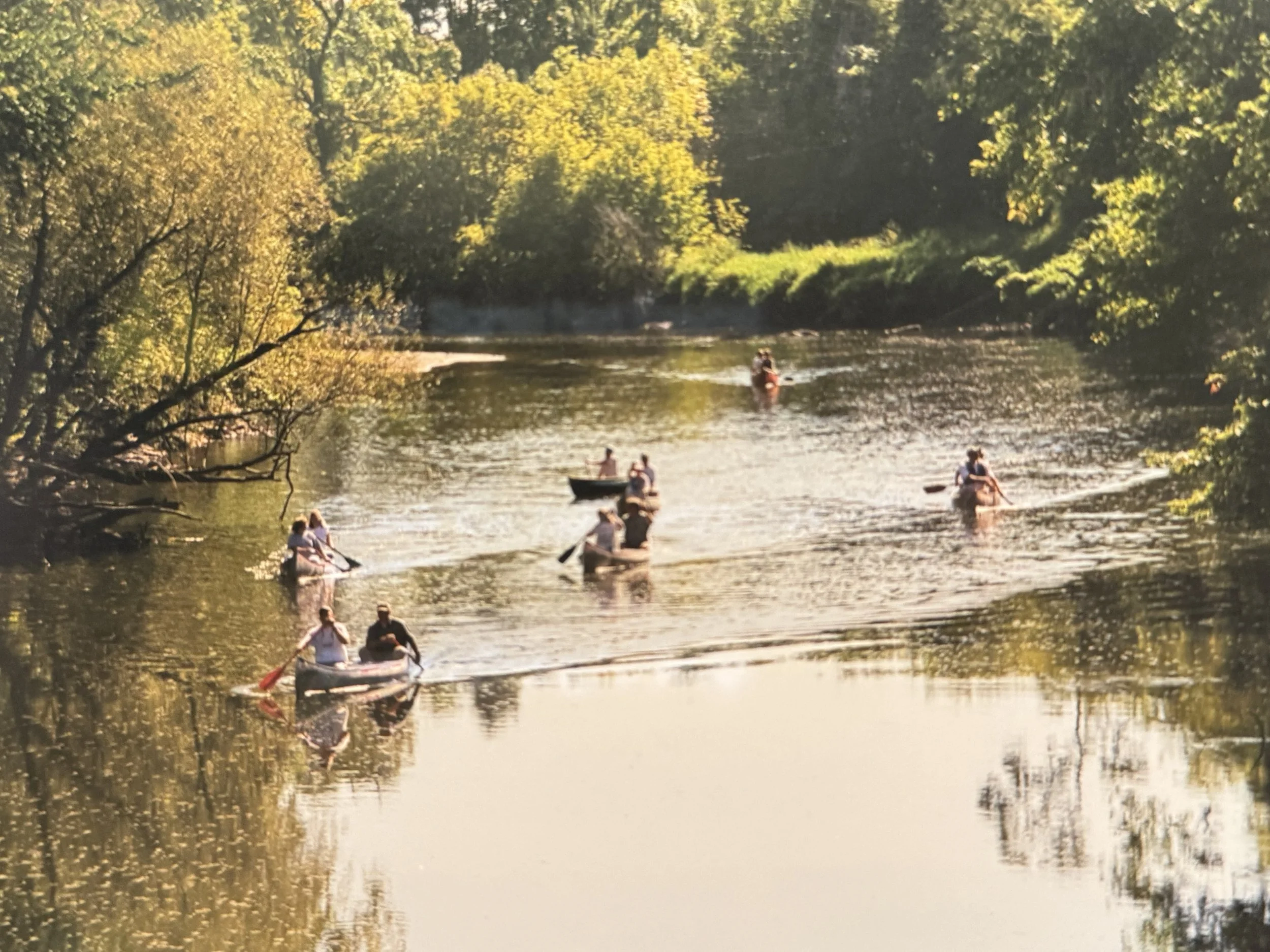
35 Years of Connection
We began in 1990 as the Cannon River Watershed Partnership, when a small group of partners, led by Molly Woehrlin, came together with a shared goal of protecting and enhancing the waters of the Cannon River. Read about the last 35 years of our organization.
-

Behind the Scenes
What truly makes a film festival unforgettable? It’s not just the stunning films and vibrant atmosphere; it’s the dedicated team of individuals working tirelessly behind the scenes to bring it to life.
-
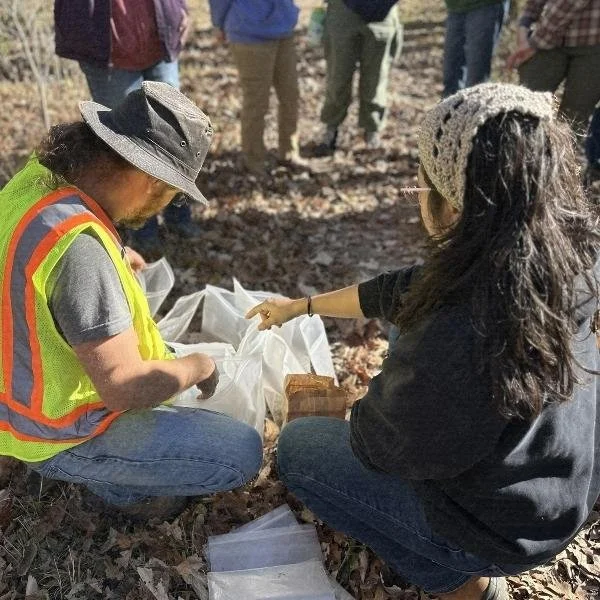
College Partnerships for Watershed Stewardship
Healthy watersheds do not happen by accident. They are the result of relationships. In Northfield, two institutions have long shaped the landscape through care, research, and stewardship: St. Olaf College and Carleton College.
-
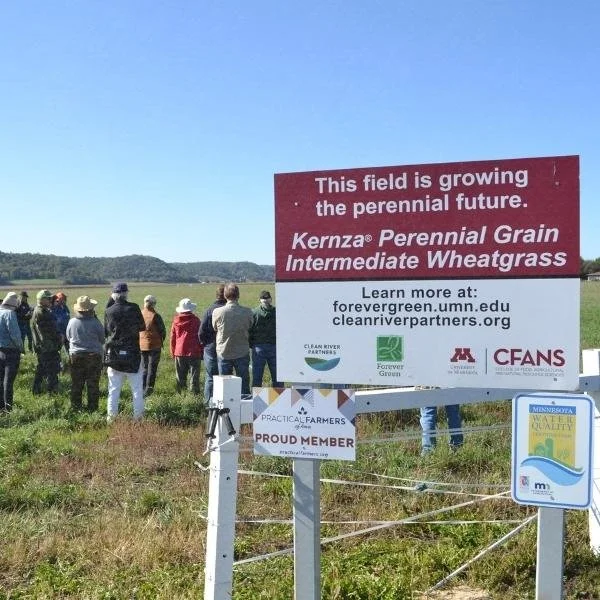
Growing Solutions for Soil, Water, and Community
For several years, we have partnered with the Forever Green Initiative (FGI) at the University of Minnesota and farmers Matt and Seth Tentis of White Barn Acres to explore whether Kernza® could function as a dual-use commodity crop on a working farm.
-
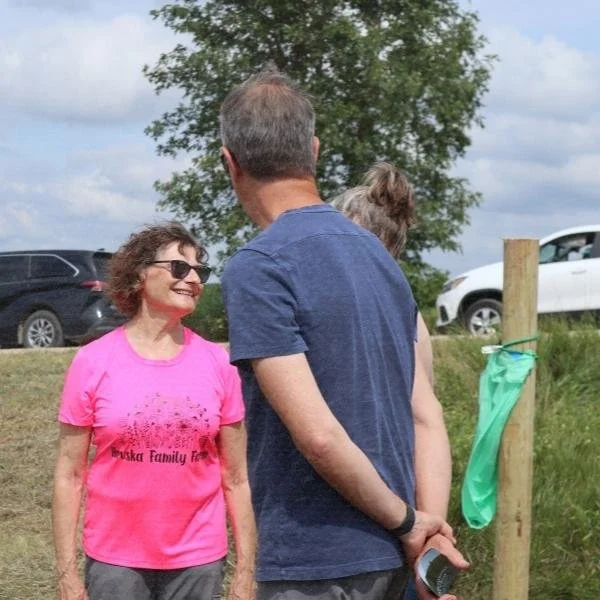
From Century Farm to Conservation Legacy
The 152-acre Horseshoe Lake Wildlife Management Area provides cleaner water, richer habitat, and more opportunities for the public to enjoy the outdoors. The Hruskas are excited to return with their children and grandchildren and to share the land with the wider community.
-
Reconnecting the River
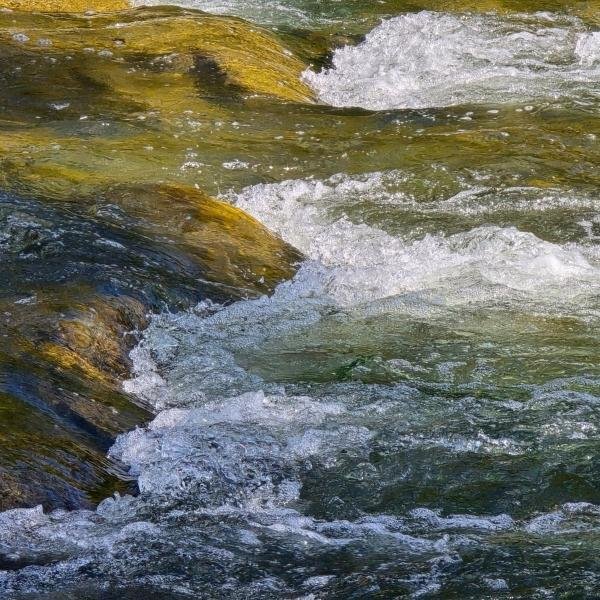
Fish passage is a simple idea. Fish need to move up and down a river to survive. Many species travel upstream to lay eggs in specific habitats with the right water depth, temperature, and gravel. When a dam blocks that path, fish cannot reach those spawning areas. Over time, populations shrink, diversity declines, and the river ecosystem weakens.
-
Looking Ahead
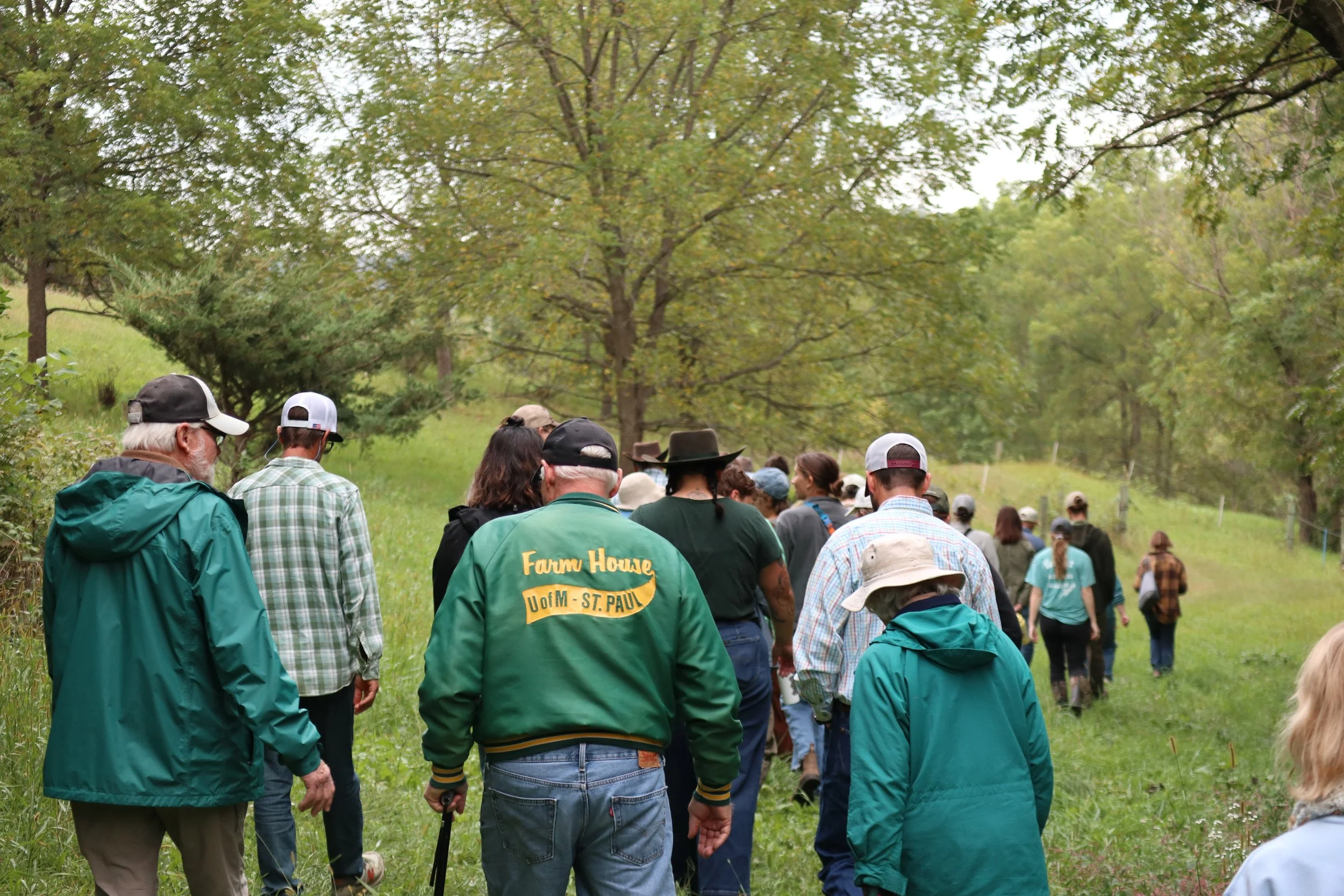
As you can see, the projects we worked on in 2025 accomplished a lot. Working alongside farmers, volunteers, local governments, colleges, and community members, we’ve seen how many people are committed to making this place healthy, resilient, and home. And even with all of that effort, there are still gaps, missing pieces, and big challenges.
In 2025, we began to see more clearly the challenges Clean River Partners should attend to. I use the word attend intentionally. These are not challenges we will solve alone. Instead, they are challenges we will tend to—by deepening community engagement, strengthening partnerships, and building our capacity to support meaningful, lasting change.
Three questions are guiding this work:
What does each community within our watershed care about?
What does a resilient and sustainable agricultural future look like?
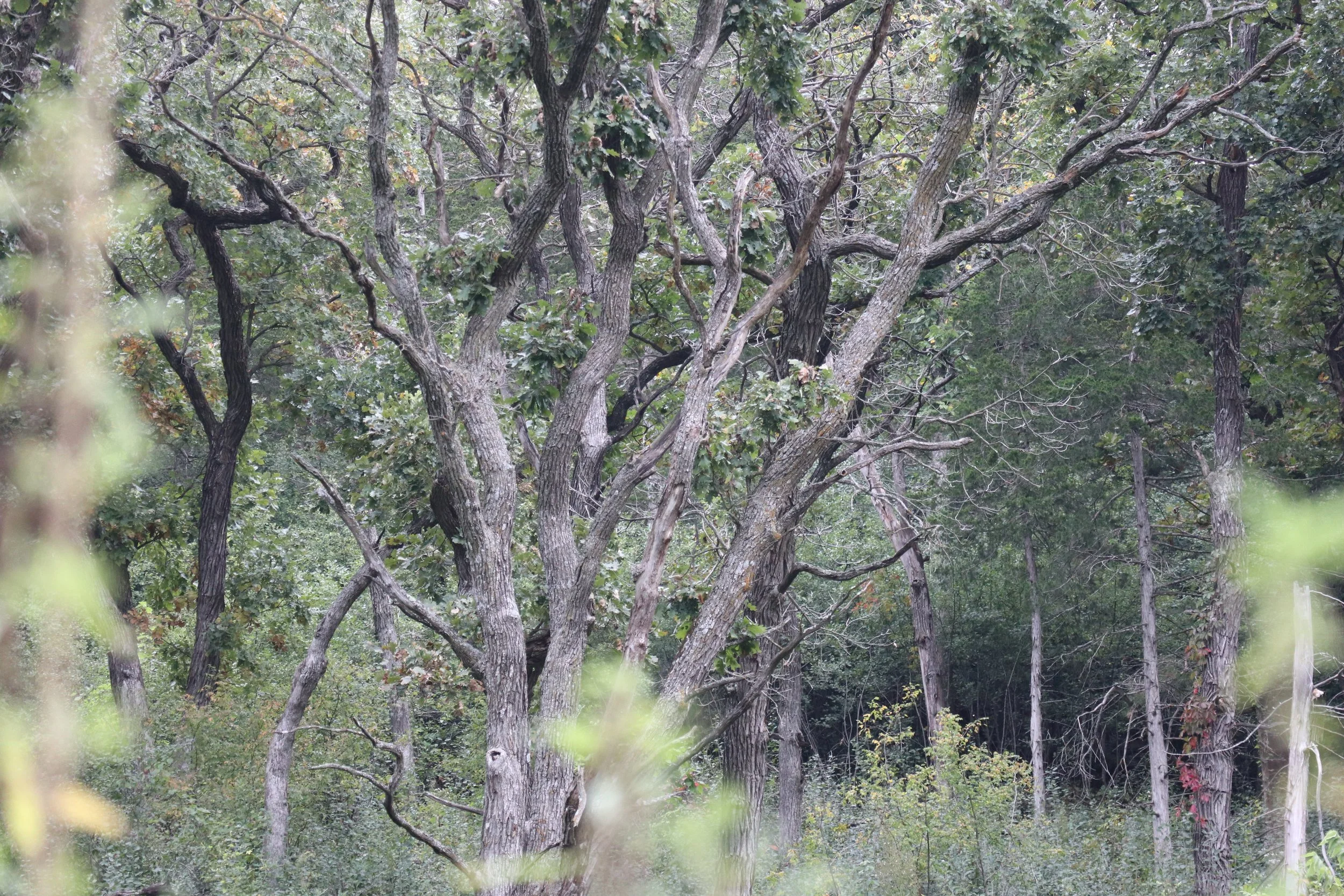
What do our natural lands need to thrive—and how do we connect people to their care?
In 2026, we are in the early stages: listening, learning, and beginning to test ideas in partnership with others.
Right now, our role is to convene, test, and connect.
With partners across the watershed, we are working to better understand what communities care about. This includes community conversations—from learning what local gardeners need to exploring how healthcare providers think about time outside and well-being.
In agriculture, we are working alongside farmers and others in the sector to better understand what a desired future could look like. What is possible? Who needs to be part of decision-making? From there, we aim to develop programs and policy approaches that can create real change on the landscape.
For natural lands, we are working with land managers, volunteers, and experts to better understand what these places need to thrive. What is the right balance between large restoration projects and ongoing care? Where can public systems meet those needs—and where does the community play a role? We are also beginning to pilot efforts that bring more people into hands-on stewardship, building both a stronger volunteer base and future leaders.
Across all three areas, we are working to better understand the systems at play, identify where we can have the greatest impact, and support others who are also positioned to lead.
This work will take all of us.
In the year ahead, we’ll be asking more of this community—more participation, more partnership, and more investment in the work that makes this watershed resilient.
Whether you give, show up, or help connect others to this work, you are part of what makes it possible.
Will you join us?